


Navigating the world with autism can present unique challenges, but it also opens up a world of incredible strengths and perspectives. As parents, caregivers, and educators, we’re always looking for ways to engage children with autism in activities that are not only fun but also foster learning and development. This blog post explores a variety of engaging activities designed to enhance learning and create joyful moments for children with autism.
Key Takeaways
- Tailored activities help children with autism thrive by focusing on their strengths and interests.
- Sensory play, creative expression, structured activities, and technology-based learning can enhance development.
- Outdoor activities encourage physical movement and social interactions.
- Encouraging social skills and friendships is key to emotional growth and combating childhood loneliness.
- Parent-supervised, safe platforms like Friendometry help kids make friends online and build social connections.
Understanding the Importance of Tailored Activities
Every child with autism is unique, with their own set of strengths, challenges, and preferences. Therefore, it’s crucial to tailor activities to their individual needs. Consider their sensory sensitivities, communication style, and areas of interest. Remember, the goal is to create a positive and supportive environment where learning can thrive.
Sensory Play: Engaging the Senses for Exploration and Regulation
Sensory play is a powerful tool for children with autism. It can help regulate their sensory systems, improve motor skills, and foster exploration.
Sensory Play Ideas
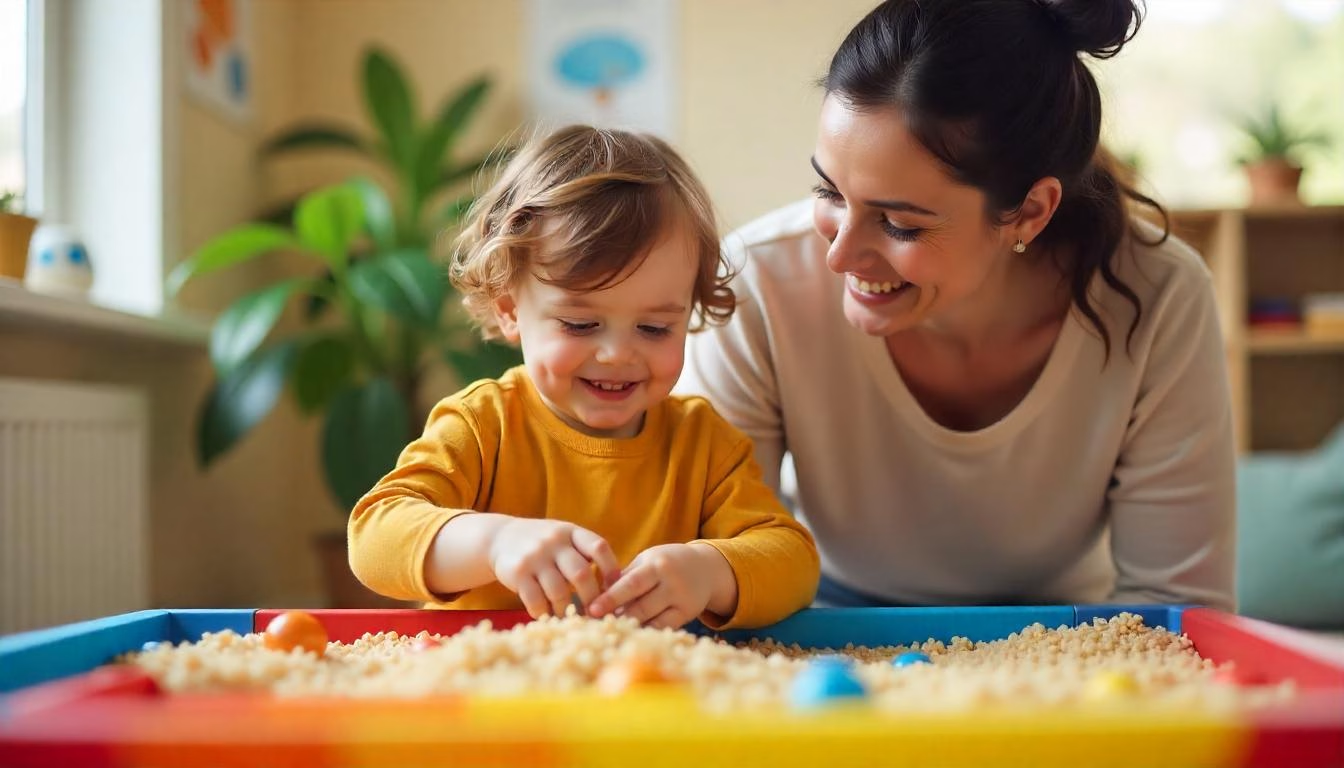
- Sensory Bins: Fill bins with rice, beans, sand, or water, and add toys, scoops, and other objects for exploration.
- Playdough and Slime: These tactile materials provide excellent sensory input and can be used for creative play.
- Water Play: Water tables, baths, or even just a bowl of water with toys can be incredibly calming and engaging.
- Weighted Blankets or Vests: These provide deep pressure input, which can be calming and help with sensory regulation.
- Sensory Walks: Explore nature with a focus on sensory experiences – feeling different textures, listening to sounds, and smelling scents.
Visual Aids and Structured Activities: Promoting Communication and Understanding
Visual aids and structured activities can help children with autism understand routines, communicate effectively, and learn new skills.
Examples of Structured Activities
| Activity | Purpose |
|---|---|
| Visual Schedules | Helps children understand daily routines and transitions. |
| Social Stories | Explains social situations and expectations to ease interactions. |
| Picture Exchange Communication System (PECS) | Uses picture cards to facilitate communication. |
| Structured Playtime | Encourages play with clear rules and expectations, like building blocks or puzzles. |
| Matching and Sorting Games | Enhances cognitive skills and visual discrimination. |
Creative Expression: Fostering Imagination and Communication
 A young autistic child joyfully playing with a sensory bin filled with colorful rice and small toys, while a supportive caregiver guides them in a warm and inviting playroom.
Creative activities provide opportunities for children with autism to express themselves, develop their imagination, and improve communication skills.
Fun Creative Activities
- Art Activities: Painting, drawing, sculpting, and collage are great ways to explore creativity and sensory experiences.
- Music and Movement: Singing, dancing, and playing musical instruments can be both enjoyable and therapeutic.
- Drama and Role-Playing: Acting out stories or scenarios helps children develop social skills and communication abilities.
- Storytelling: Encourage children to create their own stories, either verbally or through drawing or writing.
- Building and Construction: Using blocks, LEGOs, or other construction toys fosters creativity and problem-solving skills.
Technology-Based Learning: Engaging and Interactive Tools
Technology can be a valuable tool for learning and engagement for children with autism.
Top Tech Tools
- Educational Apps: Apps for kids with autism and ADHD can teach language, math, and social skills.
- Interactive Games: Engaging and motivating, helping children learn through play.
- Video Modeling: Watching videos of social interactions or skills being demonstrated can help children learn and practice new behaviors.
- Assistive Technology: Explore assistive technology options that support communication, learning, and independence.
Find friends for kids online through safe platforms like Friendometry, where children can connect under parent supervision.
Outdoor Activities: Connecting with Nature and Promoting Physical Activity
Outdoor activities provide opportunities for physical activity, sensory exploration, and connection with nature.
Best Outdoor Activities
- Nature Walks: Explore parks, gardens, or forests, focusing on sensory experiences and observation.
- Playgrounds: Offer opportunities for physical activity, social interaction, and sensory input.
- Gardening: Planting and caring for plants can be a calming and rewarding activity.
- Swimming: Water play and swimming can be both enjoyable and therapeutic.
- Bike Riding or Scooter Riding: Helps develop motor skills and coordination.
Key Considerations for Activities
- Individualized Approach: Remember that every child is unique, and activities should be tailored to their specific needs and interests.
- Positive Reinforcement: Use encouragement to motivate participation and learning.
- Patience and Flexibility: Be patient and flexible, adjusting activities as needed.
- Collaboration: Work with therapists, educators, and other professionals to create a comprehensive support plan.
- Focus on Strengths: Celebrate the child’s strengths and build upon them.
FAQs
How can I help my child with autism make friends?
Finding friends for kids online through parent-supervised platforms like Friendometry can help. Encouraging structured playdates and social therapy ideas for children with autism also support friendship-building.
Are there any safe platforms for children’s friendships?
Yes! Friendometry is a great way for parents to find local friends for kids in a safe and supervised environment.
What are some ADHD-friendly activities for children?
Activities for kids with ADHD include structured games, movement-based learning, and therapy activities for kids with ADHD like yoga, sensory breaks, and focus-boosting exercises.
Can technology help children with autism learn social skills?
Absolutely! Best apps for children with autism, video modeling, and interactive social skills games can support learning and development.
By providing engaging and tailored activities, we can help children with autism learn, grow, and thrive. The most important thing is to create a positive and supportive environment where they can explore their world and reach their full potential. Join the autism community for parents to connect with others and share valuable parenting tips for child friendships!

