


Navigating sleep challenges can be a significant hurdle for families with children on the autism spectrum. Sensory sensitivities, anxiety, and difficulty regulating emotions can all contribute to restless nights. Choosing the right bed can make a world of difference, providing a safe, comfortable, and supportive environment that promotes restful sleep. This article explores some of the best bed options for kids with autism, focusing on features that address common sensory and sleep-related needs.
Key Takeaways
- Children with autism often experience sleep difficulties due to sensory sensitivities, anxiety, and routine changes.
- The right bed can enhance comfort, security, and sensory regulation for better sleep.
- Key features to look for include sensory-friendly materials, firm support, enclosed designs, and safety features.
- Options like platform beds, canopy beds, and weighted blanket-friendly beds can be beneficial.
- Creating a sleep-friendly environment and maintaining a bedtime routine is essential for restful sleep.
Understanding Sleep Challenges in Children with Autism
Before diving into bed recommendations, it’s crucial to understand why sleep can be challenging for children with autism:
Sensory Sensitivities
Many children with autism are hypersensitive to textures, sounds, and light. A bed with rough fabrics or noisy springs can be incredibly disruptive.
Anxiety and Overstimulation
Bedtime can trigger anxiety, especially after a day filled with sensory overload. A calming and secure sleep environment is crucial.
Difficulty with Routine Changes
Establishing and maintaining a consistent sleep routine is vital for children with autism, and the right bed can support this routine.
Proprioceptive Needs
Some children crave deep pressure input, which can be addressed with specific bed types or accessories.
Key Features to Look for in a Bed
When selecting a bed for a child with autism, consider these essential features:
| Feature | Benefit |
|---|---|
| Sensory-Friendly Materials | Soft, breathable, hypoallergenic fabrics like cotton, bamboo, or Tencel provide comfort and reduce irritation. |
| Firm and Supportive Mattress | Memory foam or hybrid mattresses offer stability and deep pressure input, aiding sensory regulation. |
| Enclosed or Partially Enclosed Designs | Canopy beds or enclosed frames provide a sense of security and minimize visual stimulation. |
| Adjustable Features | Adjustable beds allow for customizable positioning, enhancing comfort. |
| Safety Features | Sturdy construction, bed rails, and bumpers prevent falls and increase security. |
Top Bed Options for Kids with Autism
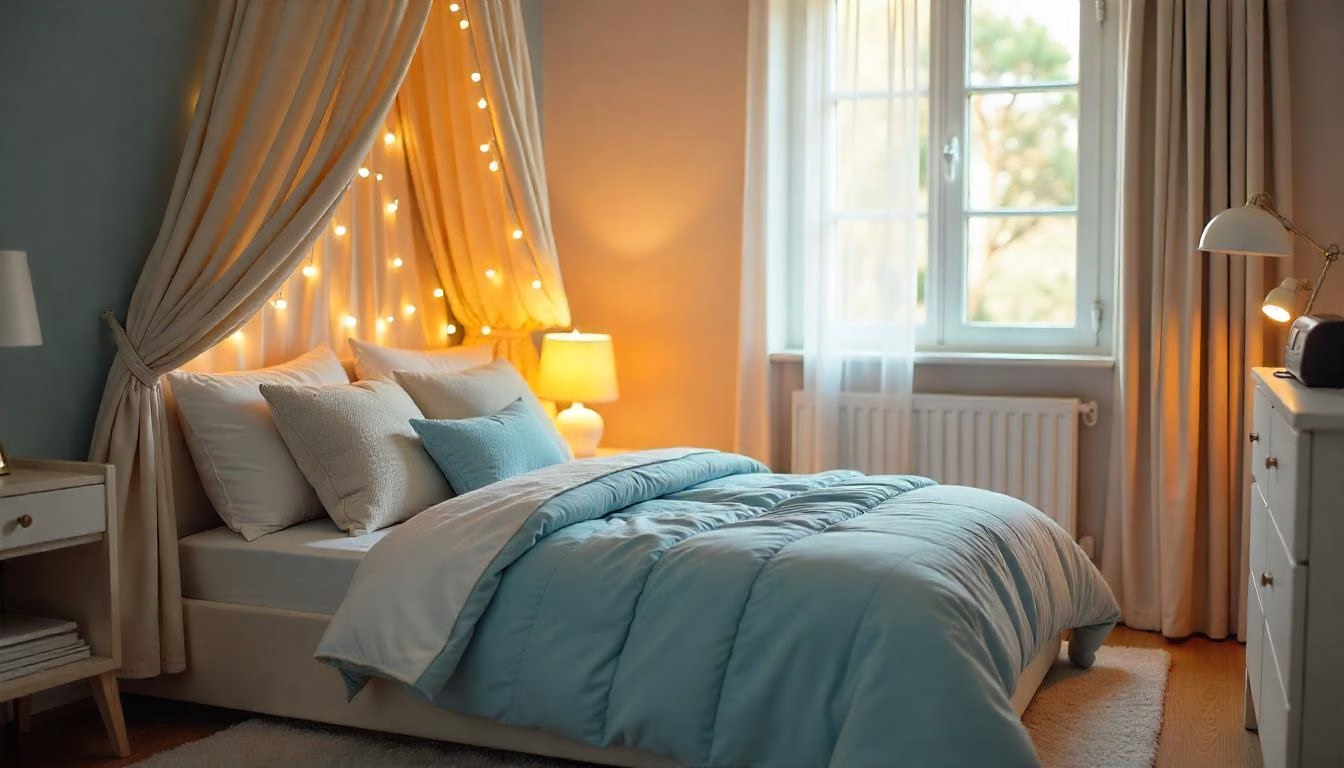
 A cozy bedroom with a sensory-friendly canopy bed, soft lighting, and calming blue tones, designed to provide comfort and security for a child with autism.
Platform Beds
- Offer a solid, stable base, which can be comforting for children who crave stability.
- Have a low profile, making them easier to get in and out of.
- Provide a great foundation for memory foam or hybrid mattresses.
Canopy Beds
- Create a sense of enclosure and privacy, reducing visual stimulation.
- Can be customized with soft, sheer fabrics to create a calming environment.
Floor Beds
- Placed directly on the floor, providing a safe and accessible sleep space.
- Minimize the risk of falls and can be easily customized with pillows and blankets.
- Ideal for children who move a lot in their sleep.
Weighted Blanket-Friendly Beds
- Ensure the bed frame is strong enough to handle the added weight of a weighted blanket.
- Platform beds and sturdy metal frames are excellent options.
Adjustable Beds
- Allow for customizable positioning, which can be beneficial for comfort and relaxation.
- Help with sensory regulation and promote a sense of control.
Specialty Sensory Beds
- Designed specifically for children with sensory processing disorders.
- May include features like deep pressure therapy, vibration, or integrated lighting.
Additional Tips for Creating a Sleep-Friendly Environment
Establish a Consistent Routine
A predictable bedtime routine helps regulate sleep patterns. Include calming activities like reading, listening to soft music, or deep breathing exercises before bedtime.
Minimize Sensory Stimulation
Create a dark, quiet, and cool sleep environment. Consider using blackout curtains, white noise machines, and a comfortable mattress.
Consider a Weighted Blanket
Weighted blankets can provide deep pressure input, which can be calming and soothing.
Use White Noise or Sound Machines
White noise or calming sounds can mask distracting noises and create a more peaceful sleep environment.
Consult with an Occupational Therapist
An occupational therapist can provide personalized recommendations for sensory-friendly sleep solutions.
FAQs
What type of bed is best for a child with autism?
The best bed for a child with autism depends on their sensory needs. Platform beds, canopy beds, and enclosed designs often work well. A firm mattress and sensory-friendly bedding are also important.
How can I make my child’s bed more autism-friendly?
Use soft, breathable fabrics, add weighted blankets, minimize noise, and consider bed enclosures or canopies for security and comfort.
Are weighted blankets safe for children with autism?
Yes, but ensure the weight is appropriate (around 10% of the child’s body weight). Always consult with a professional before introducing one.
Conclusion
Choosing the right bed can significantly improve sleep quality for children with autism. By considering sensory sensitivities, providing a supportive sleep environment, and establishing a consistent routine, you can help your child achieve restful and restorative sleep. Remember to prioritize safety, comfort, and individual needs when making your selection.
At Friendometry, we understand that sleep challenges can contribute to childhood loneliness and social struggles. A well-rested child is more engaged, focused, and ready to participate in activities for kids with autism and ADHD. Explore our community of parents to find local friends for kids and connect with families who share similar experiences.
By creating a sleep-friendly environment, you’re not just improving rest—you’re fostering emotional growth, resilience, and better social interactions for your child. Let’s work together to build a world where every child feels safe, supported, and connected.

