


Tears can be heartbreaking, especially when they come from your child. As parents, we want to understand why our children cry—what they need, how to help, and whether their emotions are typical. Some studies suggest that autistic children may cry more frequently or intensely than neurotypical children. However, this is not true for all autistic children, and crying can be a form of communication, especially when they are overwhelmed or unable to express their needs verbally. Understanding the reasons behind their tears can help us support them better and create a more comforting environment.
Key Takeaways
- Autistic children may cry more frequently or intensely due to sensory sensitivities, communication challenges, or emotional regulation difficulties.
- Crying can be a way for autistic children to express their needs when verbal communication is difficult.
- Identifying triggers and providing a supportive environment can reduce distress.
- Activities for kids with autism and structured routines can help with emotional regulation.
- Connecting with friends and finding a supportive autism community for parents can make a significant difference in a child’s emotional well-being.
Why Do Autistic Children Cry More Often?
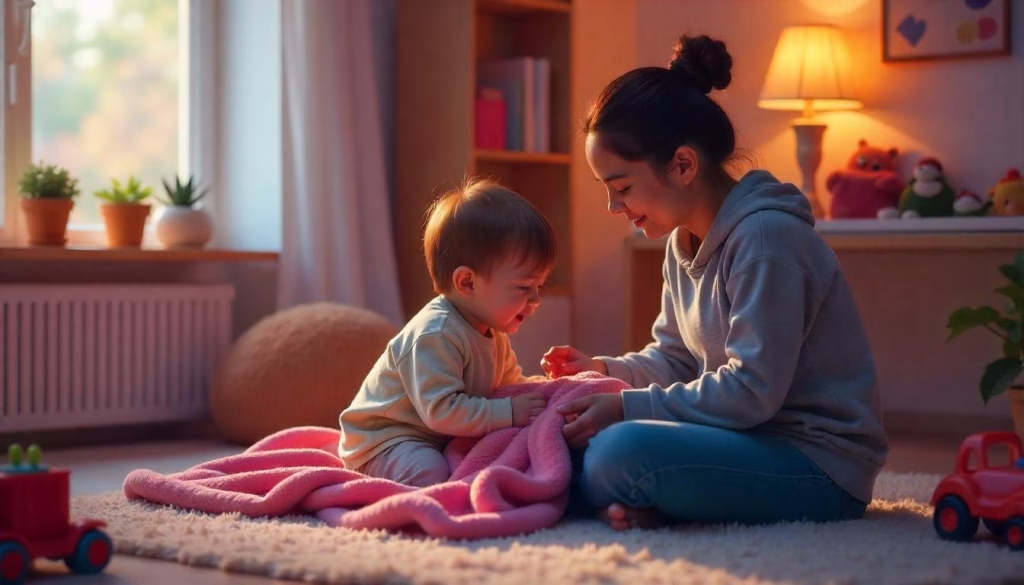 A caring parent comforting their autistic child in a cozy, sensory-friendly room with soft lighting and calming sensory toys.
Sensory Overload and Emotional Regulation
Many autistic children experience heightened sensitivity to lights, sounds, textures, and even social interactions. A crowded room, loud noises, or unexpected changes in routine can be overwhelming. Unlike neurotypical children, who may brush off discomfort, autistic children may cry as a way to cope with these intense sensory experiences.
Communication Barriers
Verbal and non-verbal communication differences can make it challenging for autistic children to express what they need. If a child cannot articulate their frustration, hunger, or discomfort, crying becomes their primary way of signaling distress. Providing alternative communication methods, such as visual schedules, apps for kids with autism, or sign language, can help reduce frustration.
Anxiety and Frustration
Changes in routine, social interactions, or even unfamiliar environments can cause significant anxiety. Many autistic children thrive on predictability. When unexpected changes occur, they may feel overwhelmed and express their distress through crying.
Strategies to Help Autistic Children Manage Their Emotions
1. Identify Triggers
Understanding what leads to distress can help reduce meltdowns. Keeping a journal or using an app to track crying episodes can reveal patterns related to sensory overload, transitions, or specific environments.
2. Provide Sensory-Friendly Spaces
Creating a calming environment with dim lighting, noise-canceling headphones, or weighted blankets can help autistic children self-regulate. Fun activities for autistic children that focus on sensory play, such as water play or fidget toys, can also be beneficial.
3. Use Visual Supports and Communication Tools
Tools like visual schedules, picture exchange communication systems (PECS), or speech-generating devices can make it easier for children to communicate their needs without frustration.
4. Teach Emotional Regulation Techniques
Breathing exercises, social therapy ideas for children with autism, and mindfulness activities can help children learn to manage their emotions. Role-playing scenarios and social stories can also be effective.
5. Build a Strong Support Network
Joining an autism community for parents or finding a safe platform for children’s friendships can provide emotional and social support. Websites like Friendometry help kids make friends online in a parent-supervised and safe way.
How Friendships and Socialization Help Reduce Emotional Distress
The Role of Social Interaction in Emotional Regulation
Making friends is crucial for emotional growth in children. However, autistic children may struggle with socializing. Encouraging structured social activities for kids with autism, such as autism-friendly group activities, can help them build social skills in a low-pressure environment.
Finding Friends in a Supportive Community
A community of parents who understand autism can make a world of difference. Parent-supervised friend matching platforms, such as Friendometry, offer safe ways to help kids connect with friends who share their interests.
Common Triggers and Solutions for Crying in Autistic Children
| Trigger | Solution |
|---|---|
| Loud noises | Noise-canceling headphones |
| Sudden changes in routine | Visual schedules and warnings |
| Overstimulation | Calming sensory-friendly spaces |
| Communication barriers | Alternative communication methods |
| Social anxiety | Structured social activities |
Common Myths About Crying and Autism
Myth 1: Autistic children cry for no reason
Every cry has a reason, whether it’s due to sensory overload, frustration, or a need that hasn’t been met.
Myth 2: Crying is a sign of bad behavior
Crying is a form of communication, not misbehavior. Understanding the root cause can help parents respond effectively.
Myth 3: Autism always causes excessive crying
Each autistic child is unique. Some may cry more frequently, while others may not cry often at all.
FAQs
Do autistic children cry more than neurotypical children?
Some may cry more due to sensory sensitivities, frustration with communication, or emotional regulation challenges. However, this varies from child to child.
How can I help my autistic child stop crying?
Identifying triggers, creating a sensory-friendly space, and teaching emotional regulation techniques can help. Encouraging friendships through parent-supervised platforms like Friendometry can also provide social support.
Can socializing help reduce crying in autistic children?
Yes! Structured social activities and finding friends with similar interests can help autistic children feel understood and reduce frustration.
What are the best activities for kids with autism to help with emotional regulation?
Sensory play, social stories, therapy activities for kids with ADHD, and structured social activities can be beneficial.
How can I connect my autistic child with friends?
Using safe platforms for children’s friendships, such as Friendometry, can help kids build meaningful friendships in a safe, parent-supervised environment.
Final Thoughts
Crying in autistic children is often a way to express emotions, not just an emotional outburst. Understanding their triggers, providing communication tools, and helping them build friendships can make a significant difference in their emotional well-being. As parents, creating a loving and supportive environment will help our children feel safe and understood.
If you’re looking for ways to help your child connect with friends, consider using Friendometry—a trusted platform that helps kids make meaningful friendships in a safe and parent-supervised way. Every child deserves to feel valued, supported, and connected!

