
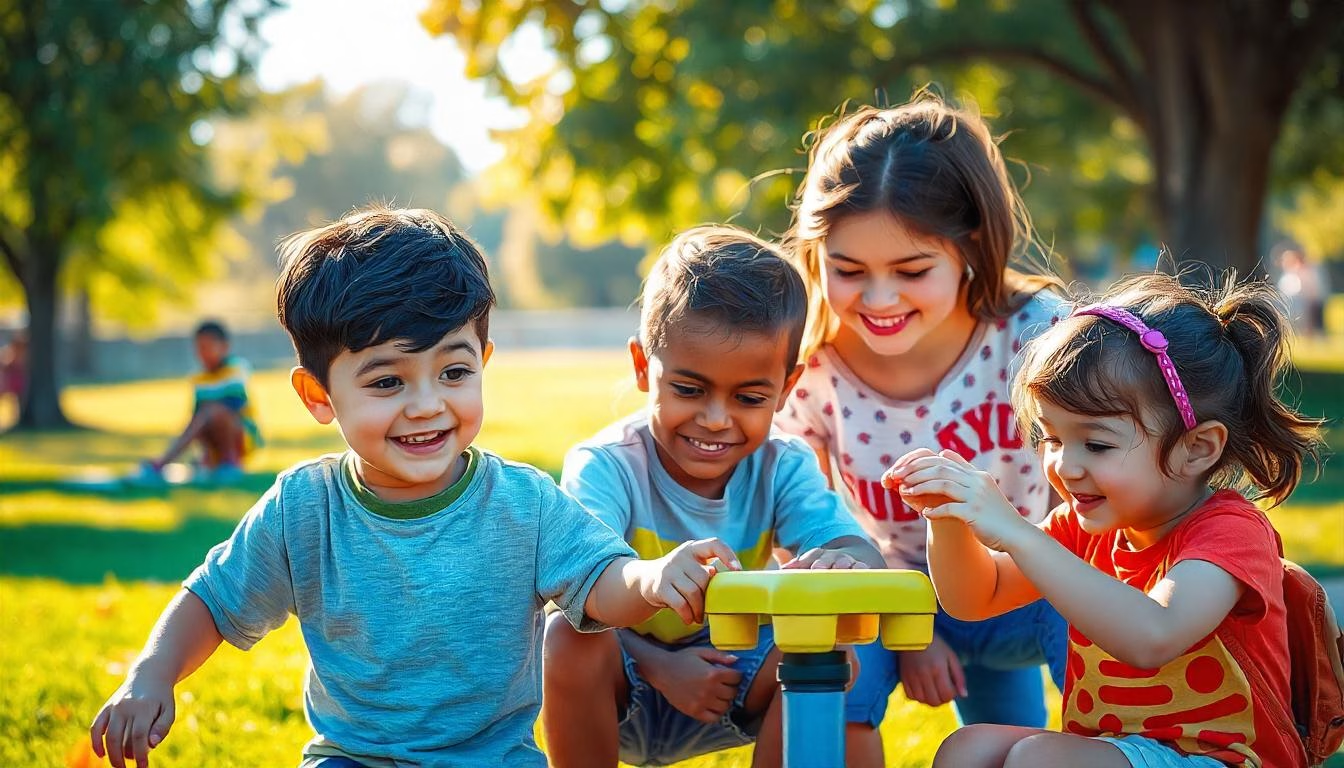


Friendship is a precious gift, a bond that enriches our lives in countless ways. For children, it is so much more than just fun and play—it’s a cornerstone of their social and emotional growth. As parents, we want to see our children thrive emotionally, build confidence, and learn essential life skills. Friendship helps them do just that, teaching them to share, cooperate, and navigate relationships. Let’s explore what true friendship means and how we can nurture it in our children.
Key Takeaways
- True friendship involves kindness, trust, loyalty, respect, and forgiveness.
- Teaching kids the value of friendship supports their emotional and social development.
- Parents play a pivotal role in guiding children to build strong, meaningful relationships.
- Tools like Friendometry help foster safe and supportive friendships for kids.
- Social skills are particularly vital for children with autism and ADHD, as friendships greatly benefit their development.
What is True Friendship?
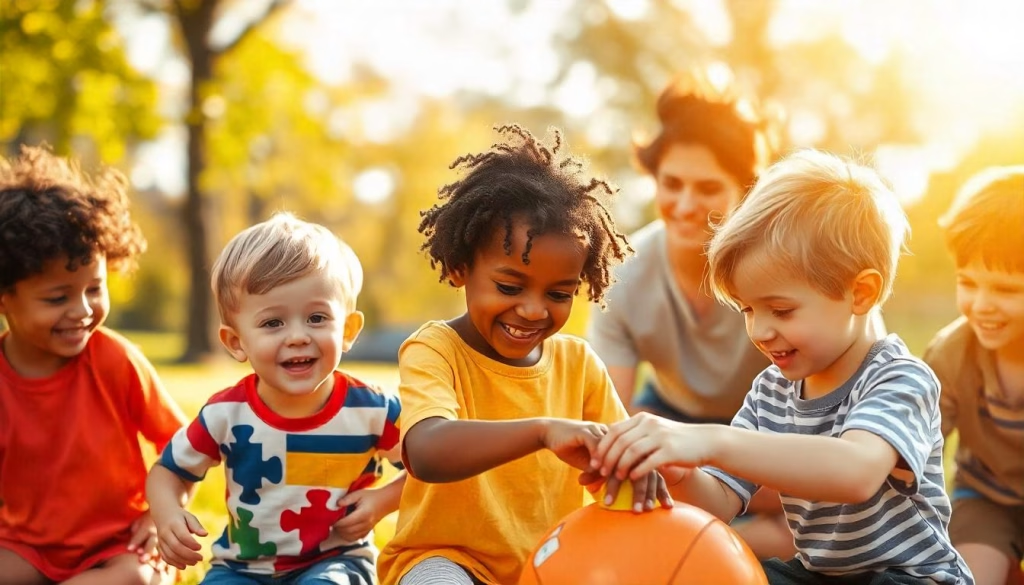 An illustration of children playing together in a park, showcasing diverse friendships with children of different abilities, including one with autism and another with ADHD, under the caring supervision of parents in the background.
True friendship is much more than simply having a playmate. It’s about building deep, meaningful connections rooted in mutual understanding and respect. Here’s what true friendship looks like:
- Kindness and Compassion: A good friend shows empathy and cares about your feelings.
- Trust and Honesty: Sharing secrets and knowing they will remain safe.
- Loyalty and Support: Standing by each other during tough times.
- Respect: Valuing differences and appreciating individuality.
- Sharing and Cooperation: Working together and sharing experiences.
- Forgiveness: Understanding mistakes and moving forward together.
These qualities are the foundation of healthy friendships that nurture children’s emotional and social well-being.
Teaching Children the Meaning of True Friendship
Lead by Example
Children learn by observing their parents. Show kindness, empathy, and respect in your own relationships. Let them see how you resolve conflicts and support your friends.
Encourage Social Interaction
Create opportunities for your child to meet others. Arrange playdates, encourage joining clubs, or participate in team sports. This exposure helps them build social skills.
Read Books About Friendship
Introduce your child to stories about friendships. Books depicting kindness, overcoming challenges, and teamwork can inspire them to emulate these behaviors.
Talk About Friendship
Engage in open conversations about what makes a good friend. Discuss scenarios and guide them on how to respond to conflicts or challenges in their friendships.
Practice Role-Playing
Role-playing social scenarios can help children practice sharing, resolving conflicts, and showing support. This is especially beneficial for children with autism or ADHD, helping them build essential social skills.
Focus on Positive Behavior
Praise your child when they show acts of kindness, share toys, or resolve a disagreement with a friend. Reinforcing positive behavior encourages them to repeat it.
Building Strong Friendships
Join Clubs or Groups
Help your child connect with peers who share similar interests. Joining art classes, sports teams, or community groups fosters lasting connections.
Plan Playdates and Social Gatherings
Host gatherings where children can interact in a relaxed and supervised setting. This builds trust and camaraderie over time.
Support Social Activities
Attend school events, volunteer, or get involved in your child’s extracurricular activities. Show interest in their friendships and encourage their social efforts.
Tools for Supporting Friendships
Platforms like Friendometry provide a safe, parent-supervised space to connect with other families. It’s particularly useful for children with autism or ADHD, offering tailored opportunities to build friendships in a secure environment.
Why Friendships Are Vital for Children with Autism and ADHD
Children with autism and ADHD often face unique challenges in social interactions. Friendships can help them develop better social skills, boost confidence, and combat childhood loneliness. Here are some ways to support them:
- Fun Activities for Autistic Children: Choose group activities like music, art, or sensory play that encourage interaction.
- Socializing Tips for Kids with Autism: Teach them simple social skills like greeting others and taking turns in conversations.
- Therapy Games for ADHD Children: Use games that build focus and teamwork, such as puzzles or cooperative board games.
- Alternatives to ADHD Medication: Engage in mindfulness exercises or structured activities to manage symptoms.
Building Resilience and Self-Esteem
Helping children develop resilience and self-esteem is essential for maintaining friendships. Encourage them to:
- Celebrate their individuality.
- Embrace changes in friendships.
- Learn from conflicts and grow stronger.
Friendship-Building Tips for Different Scenarios
| Situation | Tips |
|---|---|
| Making friends in a new school | Encourage joining clubs or sports teams. |
| Helping a shy child socialize | Role-play scenarios and provide opportunities for small group play. |
| Supporting autistic children | Choose structured, autism-friendly group activities. |
| Boosting ADHD kids’ confidence | Engage in ADHD-friendly activities like art or interactive games. |
Inspirational Words
“A friend is one of the nicest things you can have, and one of the best things you can be.”
“Friendship isn’t about who you’ve known the longest. It’s about who walked into your life and said, ‘I’m here for you.’”
FAQs
How do I help my child make friends online?
Use safe platforms like Friendometry to connect with other families. Ensure online interactions are supervised and teach your child about online safety.
What activities are best for kids with autism to build friendships?
Group activities such as art classes, sensory play, or autism-friendly sports can encourage interaction and teamwork.
Can ADHD kids benefit from therapy games?
Yes, therapy games can improve focus, social skills, and teamwork in children with ADHD, providing a fun way to build relationships.
Final Thoughts
Friendships are a gift that enrich children’s lives and help them grow into confident, empathetic individuals. By guiding and supporting them, you can help your child form bonds that last a lifetime. Remember, every child’s journey is unique—celebrate their progress and nurture their social growth. Platforms like Friendometry provide valuable support, ensuring every child finds their circle of friends. Together, let’s create a world where every child feels valued, supported, and connected.

