


Friendship is one of the most valuable gifts a child can have. It helps them feel supported, understood, and connected to the world around them. But making friends can be both exciting and challenging for kids, especially those who struggle with social skills. Whether your child is naturally outgoing or a little shy, they can develop strong friendships with the right guidance. Here are some helpful tips for kids on making and keeping friends.
Key Takeaways
- Making friends is an essential social skill that boosts confidence and emotional well-being.
- Encouraging kindness, communication, and shared activities helps children build strong friendships.
- Parent-supervised friend-matching platforms provide a safe way for kids to find friends online.
- Social skills are especially important for children with autism and ADHD, and specific activities can help.
- Teaching kids resilience and conflict resolution can support long-term friendships.
Be Yourself: Authenticity Builds Strong Friendships
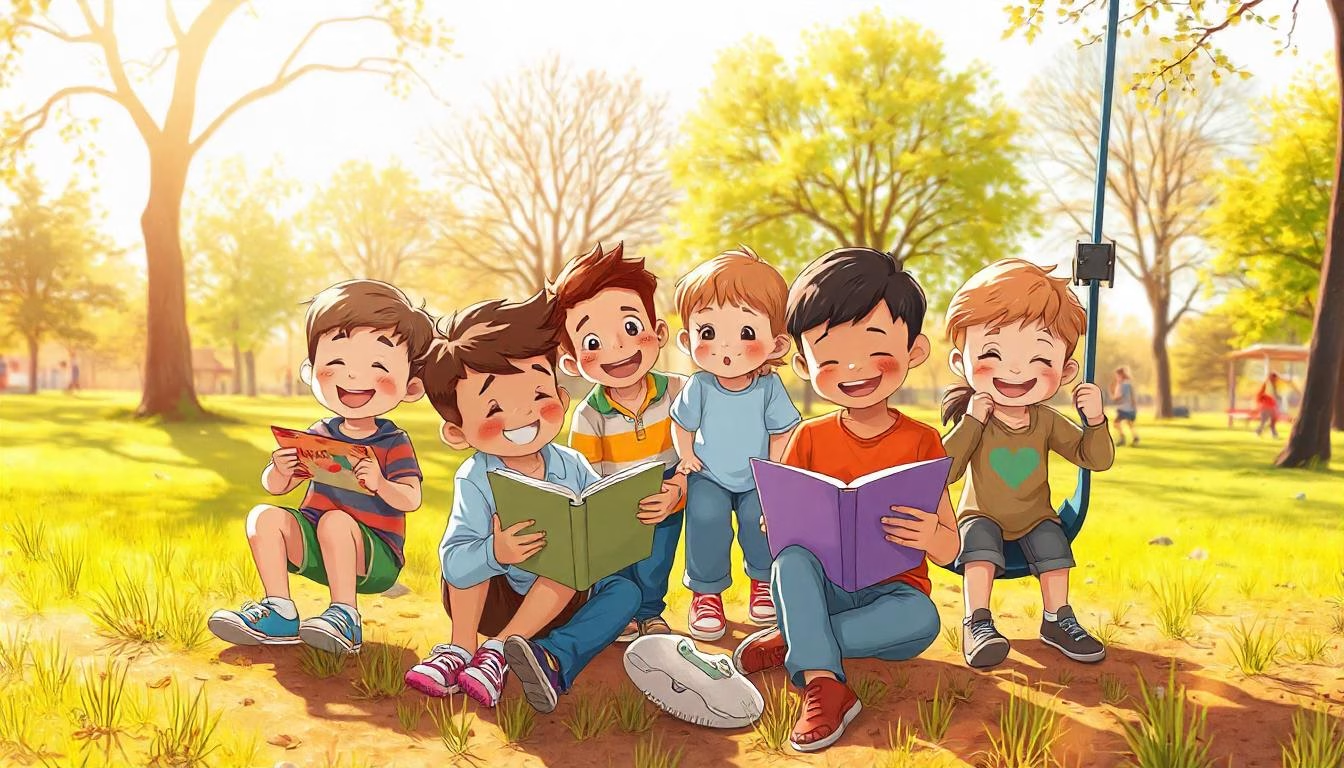
One of the best ways for children to make and keep friends is by being themselves. Kids should never feel pressured to change who they are just to fit in.
- Encourage your child to embrace their uniqueness and express their personality openly.
- Let them know that true friendships are based on honesty and mutual respect.
- Remind them that not everyone will be a perfect match, and that’s okay.
Show Kindness and Compassion
Friendships thrive on kindness, empathy, and understanding. Teaching kids how to be kind and compassionate can help them form meaningful connections.
- Be a good listener: Encourage your child to listen attentively and respond with empathy.
- Practice good manners: Saying “please,” “thank you,” and “sorry” helps build respect and trust.
- Be helpful and inclusive: Whether it’s inviting a new classmate to play or sharing a snack, small acts of kindness go a long way.
Communicate Effectively
Good communication is a key part of any friendship. Kids should learn how to express themselves clearly and resolve conflicts peacefully.
- Teach them to express their feelings: Encourage open and honest conversations about emotions.
- Help them resolve conflicts: Instead of arguing, kids should learn to talk through disagreements and find solutions.
- Explain the importance of compromise: Sometimes, giving and taking is necessary to maintain a healthy friendship.
Join Groups and Activities
One of the best ways to make friends is by participating in activities where kids can meet others with similar interests.
| Activity Type | Benefits |
|---|---|
| Sports Teams | Builds teamwork, communication, and cooperation skills |
| Art or Music Classes | Encourages creativity and self-expression |
| Community Events | Provides opportunities to meet local friends |
| Parent-Supervised Online Platforms | Helps kids find friends for kids online safely |
Encouraging kids to join clubs, sports teams, or hobby groups allows them to meet new friends naturally.
Spend Quality Time Together
Once kids make friends, they need to nurture those relationships. Quality time strengthens friendships and creates lasting memories.
- Schedule regular playdates so kids can bond outside of school.
- Encourage shared activities like reading, playing games, or crafting together.
- Teach kids to stay in touch even when they can’t see their friends in person.
Handle Friendship Challenges
Friendships can have ups and downs. Kids need to learn how to navigate challenges with confidence and resilience.
- Dealing with bullying: Teach your child to stand up for themselves, walk away from negative interactions, and seek help from an adult.
- Coping with friendship breakups: Friendships may not last forever, and that’s okay. Support your child through feelings of sadness and encourage them to make new friends.
- Understanding social cues: Children with autism or ADHD may need extra help recognizing emotions and social signals.
Be a Role Model for Healthy Friendships
Children learn by example. Parents can demonstrate how to build and maintain strong friendships by showing kindness, respect, and effective communication in their own relationships.
- Show empathy and active listening when interacting with friends and family.
- Encourage inclusivity by inviting different people into your social circles.
- Demonstrate conflict resolution by talking through problems calmly.
Supporting Children with Autism and ADHD in Making Friends
Some kids may find social interactions more difficult due to conditions like autism or ADHD. Fortunately, there are many ways to support them.
Activities for Kids with Autism
- Autism-friendly group activities like sensory-friendly playdates or structured board games help autistic children feel comfortable in social settings.
- Teaching kids with autism to socialize can involve role-playing exercises to practice greetings and conversations.
- Fun activities for autistic children like storytelling, art therapy, and interactive games can encourage socialization.
Therapy Activities for Kids with ADHD
- Boosting focus in kids with ADHD through structured, engaging activities like martial arts or music lessons.
- ADHD-friendly activities for children such as outdoor sports and movement-based games help channel their energy positively.
- Social skills for kids with ADHD can be improved through team-based activities and cooperative play.
FAQs
How can I help my shy child make friends? Encourage them to start with one-on-one playdates, practice social skills at home, and gradually join group activities. Online tools like Friendometry can help find local friends for kids.
Are there safe platforms for children’s friendships? Yes, parent-supervised friend-matching platforms like Friendometry offer a secure way to help kids make friends online.
What should I do if my child is struggling with childhood loneliness? Provide emotional support, encourage participation in social activities, and connect with other parents in a community of parents for advice and support.
Can children with autism make friends? Absolutely! With the right support and autism-friendly activities, autistic kids can build lasting friendships. Explaining autism to kids helps peers understand and foster inclusivity.
Are there alternatives to ADHD medication for kids? Yes, therapy games, behavioral strategies, and ADHD coping strategies for parents can help manage symptoms effectively.
Helping kids develop friendships is one of the best gifts we can give them. By fostering social skills, encouraging kindness, and providing safe spaces to connect, we empower children to build meaningful, lasting relationships.

