
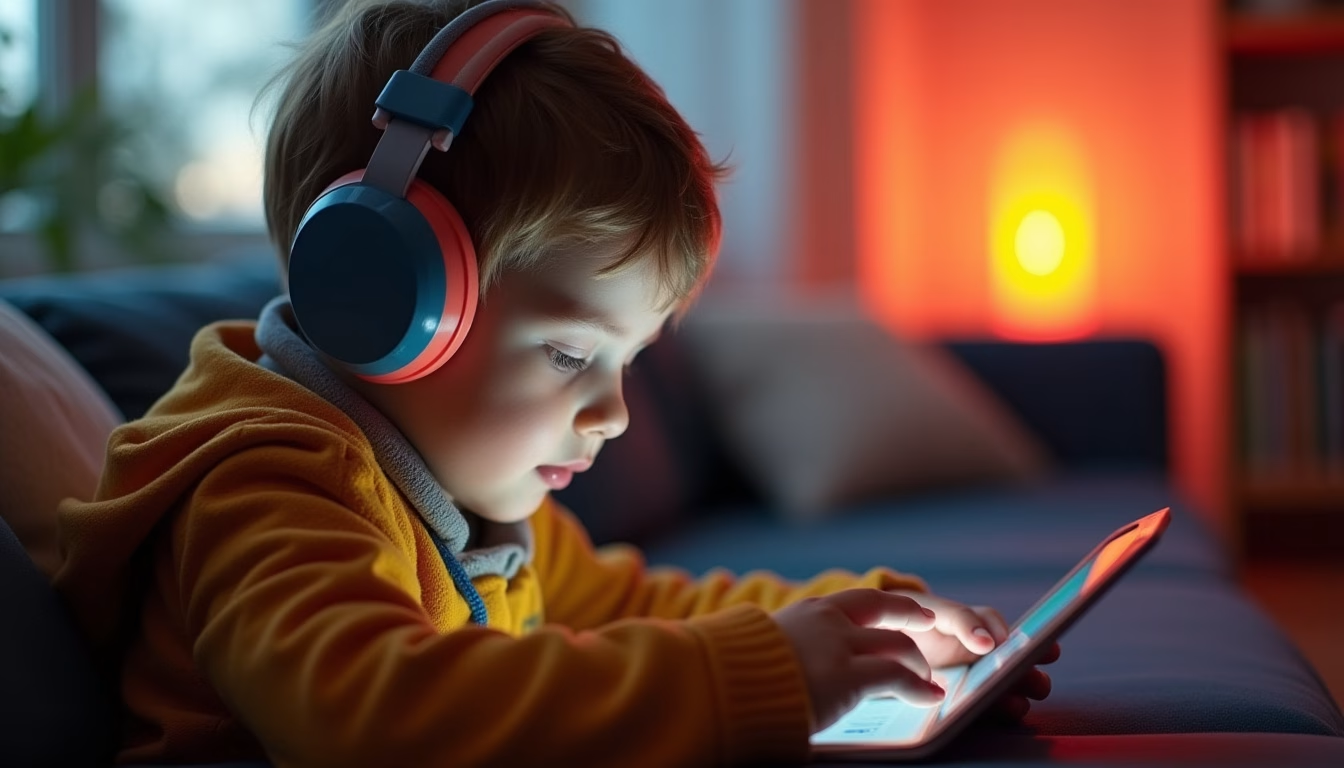


Imagine walking into a grocery store, and the hum of fluorescent lights, the beeping of checkout scanners, and the chatter of shoppers all feel painfully loud. For children with autism, sensory sensitivities can make everyday life overwhelming. Loud noises, crowded spaces, and even seemingly harmless sounds can trigger distress and anxiety. Headphones can be a powerful tool to manage these sensitivities, providing a sense of calm and focus.
This guide explores the benefits of headphones for kids with autism and offers tips for choosing the right pair.
Key Takeaways
- Headphones help regulate sensory input, reducing anxiety and improving focus.
- Noise-canceling and noise-reducing headphones offer different levels of sound control.
- Comfort, durability, and volume control are crucial factors in choosing headphones.
- Gradual introduction and positive reinforcement can help children accept and use headphones effectively.
- The right audio, such as calming music or white noise, can enhance relaxation and focus.
Why Headphones are Beneficial for Children with Autism
Sensory Regulation
Many children with autism experience sensory overload from everyday sounds. Headphones help create a more manageable auditory environment by reducing or blocking overwhelming stimuli. This prevents meltdowns and helps children feel more at ease in different settings.
Improved Focus
By minimizing background noise, headphones allow children to concentrate on tasks like schoolwork, therapy sessions, or engaging in fun activities for autistic children. This enhanced focus can be particularly beneficial for learning and social interactions.
Reduced Anxiety
A noisy world can be stressful. The ability to control auditory input through headphones can significantly lower anxiety levels and create a sense of security, making transitions and public outings smoother.
Enhanced Communication
Some children struggle with verbal communication, and headphones can support them by playing speech therapy apps or calming audio that helps with emotional regulation and social interaction skills.
Creating a Safe Space
Headphones can serve as a portable “safe space” where children can retreat when feeling overwhelmed. Whether in a busy classroom, on a noisy playground, or during a long car ride, headphones provide a refuge of comfort.
Key Features to Consider When Choosing Headphones
 A young child with autism wearing noise-canceling headphones, sitting in a quiet space, feeling calm and focused.
Noise Reduction vs. Noise Cancellation
| Feature | Noise-Reducing Headphones | Noise-Canceling Headphones |
|---|---|---|
| Function | Blocks sound with ear cushions | Uses technology to cancel out noise |
| Effectiveness | Moderate noise reduction | Superior noise reduction |
| Price | More affordable | Generally more expensive |
| Ideal for | Home use, moderate noise environments | High-noise environments like airports |
Comfort Matters
- Look for soft, padded ear cushions and an adjustable headband.
- Ensure the weight is light enough for prolonged use.
- Consider materials to avoid skin irritation.
Durability is Key
Kids can be tough on their belongings, so opt for headphones that are sturdy and long-lasting. Features like reinforced cables and impact-resistant materials are a plus.
Finding the Right Fit
- Over-ear headphones are best for maximum noise reduction and comfort.
- Ensure they fit snugly but not too tight.
- Adjustability helps accommodate different head sizes.
Safe Volume Control
- Look for built-in volume limiters to protect hearing.
- Check if the model adheres to safe listening standards.
Wired vs. Wireless Headphones
- Wired: More affordable and reliable, no charging required.
- Wireless: Greater freedom of movement but needs charging.
Meeting Specific Sensory Needs
- Some children prefer specific textures or colors.
- Consider headphones designed for sensory processing disorders.
Tips for Introducing Headphones
Start Slowly
Introduce headphones in a comfortable environment and for short periods to build familiarity.
Use Positive Reinforcement
Pair headphones with enjoyable activities like listening to favorite music or engaging in fun activities for autistic children.
Respect Preferences
Let your child choose the type of headphones and when to wear them to encourage comfort and acceptance.
Monitor Usage
- Avoid prolonged headphone use.
- Keep the volume at safe levels.
Seek Professional Guidance
If you have concerns about sensory sensitivities, consult with an occupational therapist or autism community for parents for additional support.
Recommended Types of Audio
- Calming instrumental music
- Nature sounds (rain, ocean waves)
- White noise or pink noise
- Audiobooks or podcasts
- Speech therapy apps for children with autism
Helping Your Child Socialize Beyond Headphones
While headphones are a great tool for comfort and focus, building social skills for kids is equally important. Finding safe platforms for children’s friendships can help combat loneliness. Platforms like Friendometry provide parent-supervised friend matching to help kids make friends online in a safe and supportive way.
If you’re looking for activities for kids with autism or ADHD-friendly activities for children, consider group activities that focus on social interaction, like sensory-friendly playdates or collaborative games.
FAQs
1. What type of headphones are best for kids with autism?
Over-ear, noise-canceling headphones with a comfortable fit and volume control are typically best for sensory-sensitive children.
2. How do I get my child to wear headphones?
Start with short periods, introduce them in a positive setting, and allow your child to choose music or sounds they enjoy.
3. Are there apps that support auditory therapy for kids with autism?
Yes, there are several apps for kids with autism that provide calming sounds, speech therapy, and focus-enhancing activities.
4. Can headphones help with socializing?
While headphones can reduce sensory overload, socialization should still be encouraged through community of parents networks and structured activities.
5. Are wireless headphones better for children with autism?
Wireless headphones provide freedom of movement but require charging. Wired headphones may be more reliable for younger children.
Final Thoughts
Finding the right headphones for your child is a step toward creating a more comfortable and manageable environment. Every child is unique, and by considering their sensory needs, preferences, and comfort, you can choose the best headphones to enhance their daily life.
Beyond headphones, social connections play a crucial role in a child’s development. If you’re looking to find local friends for kids or explore online tools for children’s social development, Friendometry provides a safe, structured way to help kids make friends online while prioritizing their emotional well-being.
By supporting your child’s sensory needs and fostering meaningful friendships, you’re giving them the best tools to thrive.

