
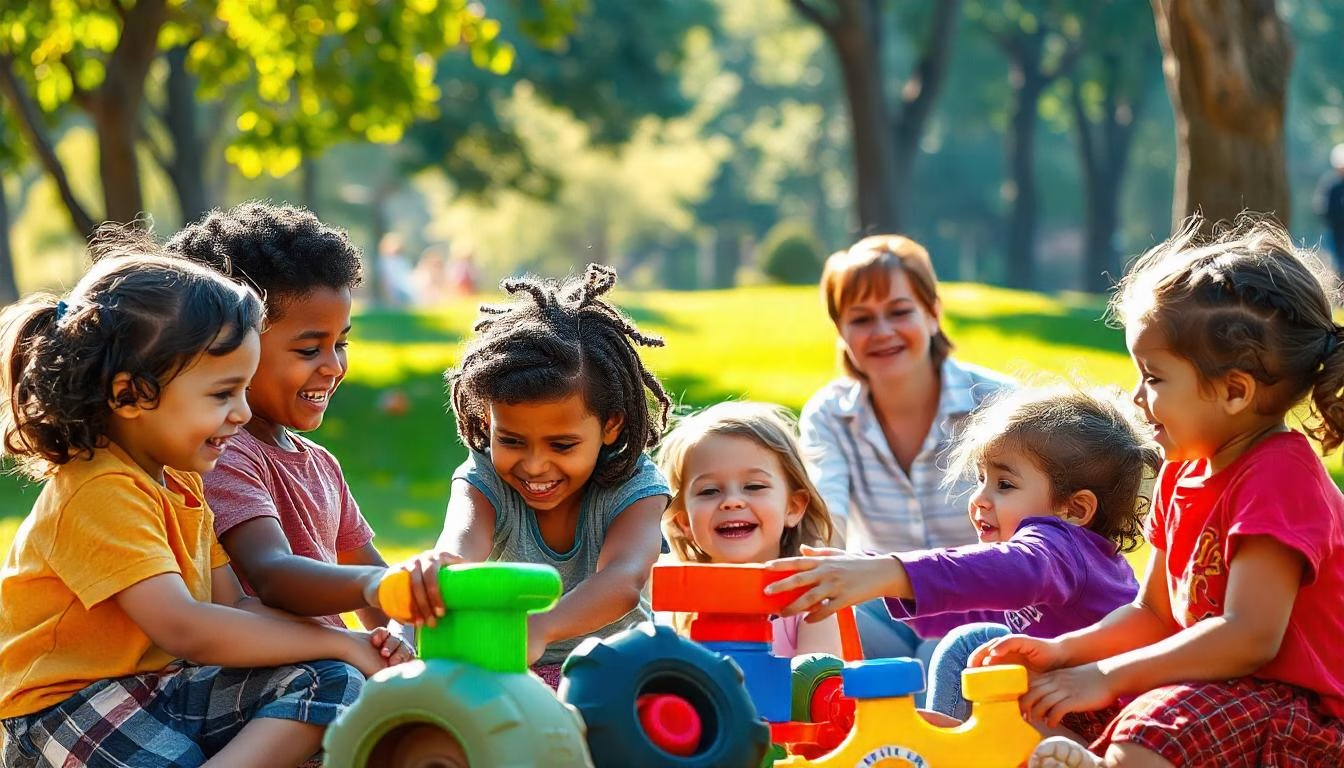


It’s every parent’s wish for their child to feel connected, confident, and surrounded by friends who cherish them. Most children begin forming genuine friendships around the ages of 4 or 5, as their social skills mature to include sharing, taking turns, and understanding others. But the timeline for making friends isn’t one-size-fits-all. It depends on your child’s unique personality, temperament, and social environment.
Key Takeaways
- Children typically start forming true friendships around age 4 or 5.
- Babies and toddlers may show early signs of social interest but lack the emotional depth for true friendships.
- Factors like temperament, confidence, and the environment influence how quickly friendships develop.
- Building lasting friendships requires time, effort, and consistent interactions.
- Parent involvement and supportive communities can help children navigate social challenges effectively.
Early Interactions and the Foundations of Friendship
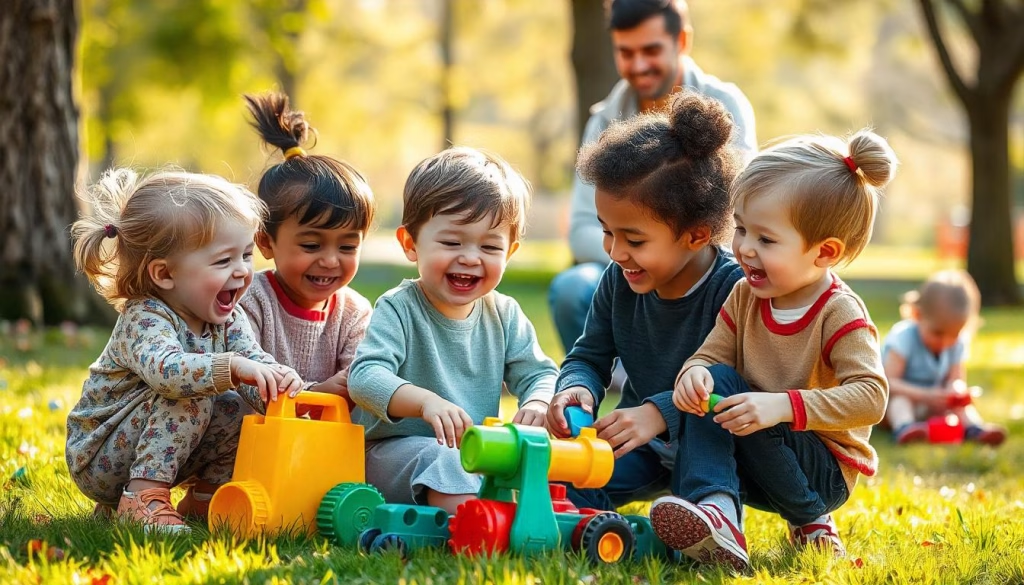 happy children playing together in a green park
When Does Social Interest Begin?
From as early as 6 months old, babies may smile or reach out to other children, showing the first sparks of social interest. However, these early interactions are more about curiosity than connection. True friendships require emotional and social skills that only develop later.
By the toddler years, children start engaging in parallel play—playing alongside others without directly interacting. This stage lays the groundwork for cooperative play, which becomes more common during preschool.
The Preschool Years: The Dawn of Friendships
By the age of 3 to 5, children begin to identify specific playmates as friends. This is when they start developing the ability to:
- Share toys and take turns.
- Empathize with others’ feelings.
- Solve minor disagreements during play.
At this stage, you might hear your child talking about their “best friend,” even if the bond is relatively new. Encouraging these budding connections is essential for emotional growth and self-esteem.
Factors That Affect How Long It Takes to Make Friends
Every child is unique, and several factors influence how quickly they form friendships:
1. Personality and Temperament
Some children are naturally outgoing and eager to engage with others, while shy or introverted kids may need more time to warm up.
2. Social Skills
Children with well-developed communication and conflict-resolution skills are often quicker to form bonds. Building social skills for kids is an ongoing process that parents can nurture through practice and encouragement.
3. Environment
Being in a welcoming and inclusive environment makes it easier for children to connect. Schools, playgrounds, and community activities can all play a role in fostering friendships.
4. Special Needs
Children with autism or ADHD may require additional support to navigate social settings. Structured activities for kids with autism or therapy activities for kids with ADHD can be invaluable in helping them connect with peers.
Building Strong and Meaningful Friendships
While initial connections can happen in a single playdate, developing a deep and lasting friendship takes time. Here are some tips to support your child:
- Encourage Consistency: Regular playdates or group activities help strengthen bonds.
- Teach Empathy: Help your child understand others’ feelings and perspectives.
- Be a Role Model: Show kindness, patience, and good communication in your interactions.
- Create Opportunities: Enroll your child in community activities or apps for kids with autism and ADHD to widen their social circle.
Table: Stages of Friendship Development by Age
| Age Group | Friendship Stage | Key Traits |
|---|---|---|
| 6 months – 2 years | Early social interest | Smiles, babbling, parallel play |
| 3 – 5 years | Preschool friendships | Sharing, cooperative play |
| 6 – 12 years | School-age friendships | Loyalty, shared interests |
| 13+ years | Adolescent friendships | Emotional intimacy, peer influence |
How Parents Can Help Kids Make Friends
Supporting your child through the friendship-building process can make a world of difference. Here are some practical steps:
Create Safe Spaces for Interaction
Platforms like Friendometry provide parent-supervised friend-matching to help children find local friends in a safe and nurturing environment.
Foster Social Skills Through Play
Introduce games and activities that promote teamwork and communication. For example:
- Fun activities for autistic children, like sensory play or art projects.
- ADHD-friendly activities for children, such as structured sports or strategy games.
Leverage Online Tools
Use online tools for children’s social development, such as apps for kids with autism or ADHD. These platforms often include therapy games or activities designed to improve focus and social interaction.
Inspiring Words for Parents
“Friendships aren’t just about having someone to play with; they’re about building confidence, resilience, and a sense of belonging.” Your support as a parent is a cornerstone in helping your child thrive socially.
FAQs
How can I help my shy child make friends?
Start by introducing them to smaller, more controlled social settings. Encourage activities that align with their interests and praise their efforts to interact.
What can I do if my child struggles with social skills?
Consider therapy or structured activities aimed at building social skills. Platforms like Friendometry can also connect you with a supportive community of parents.
Are there activities for kids with autism to help them socialize?
Yes, group activities like music therapy, sensory-friendly playdates, or board games can be highly effective.
How can I teach my child to cope with loneliness?
Focus on improving self-esteem in children through positive reinforcement and encouraging hobbies they enjoy. Combating loneliness in kids is also about creating opportunities for meaningful interactions.
Resources for Parents
- Find Friends for Kids Online with Friendometry
- Parenting Tips for Child Friendships
- Therapy Activities for Kids with ADHD
Helping your child make friends may take time, but the rewards—confidence, happiness, and emotional growth—are worth every effort. Together, let’s create a world where no child feels alone.

