
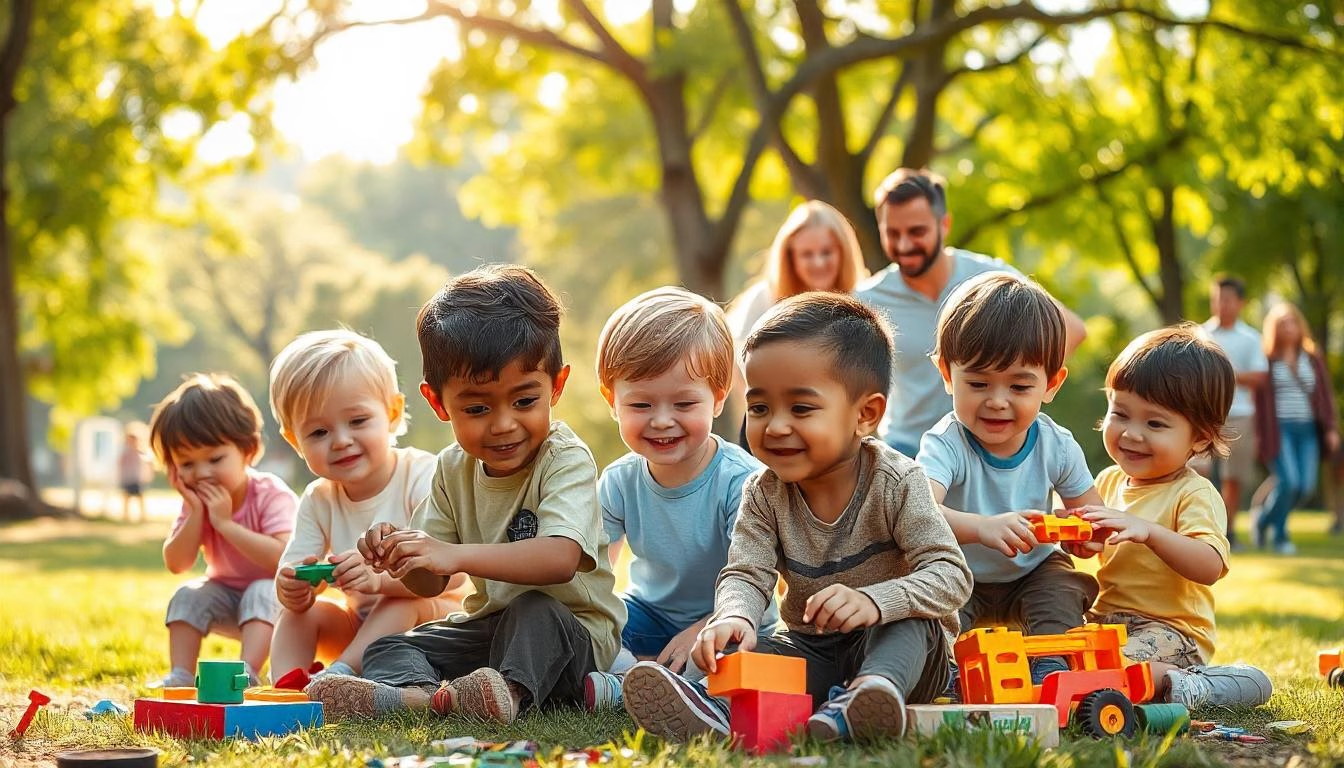


As parents, we all want our children to thrive, feel connected, and enjoy the joy of friendship. It’s natural to wonder when kids should start socializing and how we can support them on this important journey. Children typically begin to actively socialize with others around two years old. At this stage, toddlers often engage in “parallel play,” where they play alongside peers rather than directly with them. By the time they’re three, children begin forming meaningful connections and understanding the emotions of others. These early experiences lay the foundation for lifelong social skills and confidence.
Key Takeaways:
- Children begin social interactions from birth through bonding with caregivers.
- Toddlers around two years old start enjoying playtime with peers, though initially parallel play is common.
- By three, children can form friendships and show empathy.
- Preschoolers actively seek group play and can handle coordinated activities.
- Supporting socialization early fosters emotional well-being and resilience.
Early Socialization Milestones
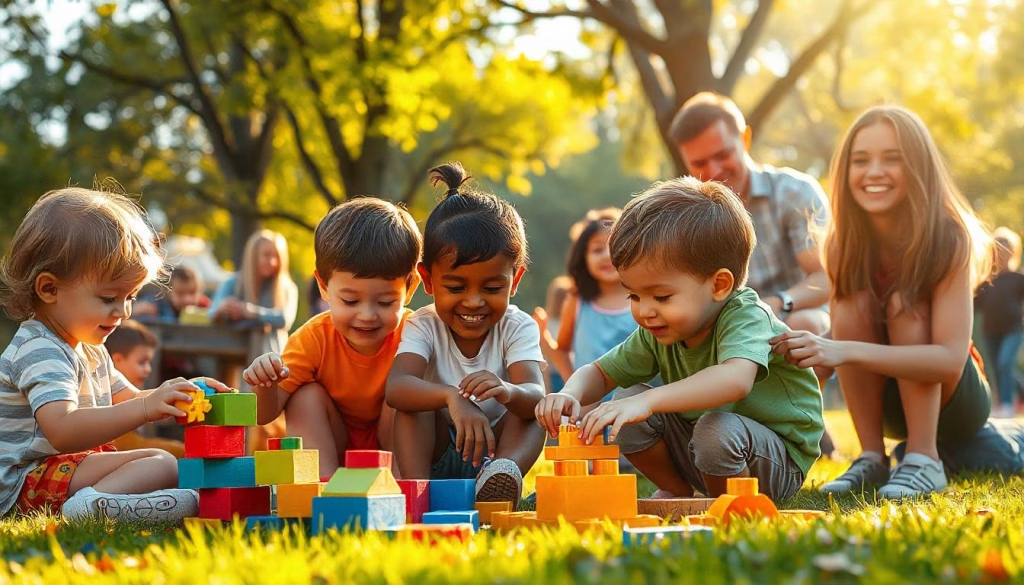 Children of diverse backgrounds playing together in a park, engaging in group activities like building blocks and playing tag, with parents nearby in a supportive and inclusive environment under sunny skies.
From Birth: Building Bonds with Caregivers
From the moment they’re born, babies start socializing by connecting with their caregivers. Skin-to-skin contact, gentle cuddles, and engaging in eye contact are some of the earliest ways infants begin forming trust and attachment. These moments help babies feel safe and secure, setting the stage for later interactions.
Around One Year Old: Recognizing Familiar Faces
At one year old, babies start recognizing familiar people and expressing themselves through basic communication. They smile, babble, and show excitement when they see loved ones. These initial social signals are their way of engaging with the world and preparing for more complex interactions.
Around Two Years Old: Discovering Peer Play
At two years old, toddlers enter the world of peer play. While they might start with parallel play—playing side by side without directly interacting—they’re learning to observe and mimic others. This stage is crucial for developing social awareness and preparing for cooperative play.
Around Three Years Old: Forming Friendships
By age three, children become more comfortable interacting with others. They start understanding emotions, sharing toys, and engaging in imaginative play with peers. This is when they may begin forming meaningful friendships, which help boost their self-esteem and emotional intelligence.
Preschool Age: Group Activities and Social Growth
During preschool years, kids actively seek out group play and enjoy activities that involve collaboration. From playing tag to building block towers, these experiences teach them how to communicate, negotiate, and problem-solve in a social setting.
Why Socialization Matters
Socialization isn’t just about making friends—it’s essential for a child’s emotional and psychological growth. Early social experiences help children:
- Build confidence and self-esteem.
- Learn empathy and emotional regulation.
- Develop problem-solving and communication skills.
- Prepare for school and future relationships.
According to child development experts, even having just one close friend can shield a child from feelings of loneliness and boost their resilience. A community of parents can also play a vital role in creating these opportunities.
Supporting Socialization for Kids with Autism or ADHD
Every child is unique, and some may face challenges in socializing due to conditions like autism or ADHD. As parents, we can take proactive steps to help:
Activities for Kids with Autism:
- Organize small, structured playdates.
- Introduce autism-friendly group activities, such as sensory play or art classes.
- Use social stories or role-playing to teach interaction skills.
- Explore therapy activities for kids with autism, such as turn-taking games.
Activities for Kids with ADHD:
- Encourage physical activities like sports or dance to channel energy.
- Use therapy games for ADHD children that focus on patience and cooperation.
- Join ADHD-friendly groups where kids can connect and feel understood.
- Try ADHD support groups for parents to share strategies and ideas.
Tips for Parents: Fostering Friendships
- Be a Role Model: Show kindness, empathy, and active listening to encourage similar behaviors in your child.
- Create Opportunities: Arrange playdates or join parent-supervised friend-matching platforms like Friendometry.
- Provide Guidance: Teach your child how to greet others, share toys, and express their feelings.
- Stay Patient: Social skills take time to develop. Celebrate small victories along the way.
Fun Social Activities for Kids
Here are some engaging activities to encourage socialization:
| Age Group | Activity Ideas |
|---|---|
| Toddlers | Playdates with sensory toys |
| Preschoolers | Cooperative games like building puzzles |
| Early School Age | Group sports or creative art sessions |
| Kids with Autism | Sensory-friendly movie nights |
| Kids with ADHD | Outdoor scavenger hunts |
Quotes from Experts:
- “Play is the work of childhood. It’s how kids learn to navigate the world.” – Fred Rogers
- “Children thrive when they feel connected, supported, and valued.”
Frequently Asked Questions
What age do kids need to socialize?
Children start socializing from birth through interactions with caregivers. By two years old, they begin enjoying playtime with peers, and by three, they can form friendships.
How can I help my child make friends?
You can support your child by arranging playdates, teaching social skills, and using platforms like Friendometry to connect with other parents. Encouraging participation in group activities also helps.
Are there tools to help kids with autism or ADHD socialize?
Yes, apps for kids with autism and ADHD, therapy activities, and parent support groups can be incredibly helpful. Platforms like Friendometry also provide safe spaces for making connections.
Final Thoughts
Helping your child socialize is one of the most rewarding parts of parenting. Whether it’s introducing them to playdates or exploring tools like Friendometry, remember that every small step makes a big difference. By fostering early social connections, we can give our kids the gift of friendship, confidence, and emotional growth that lasts a lifetime.

