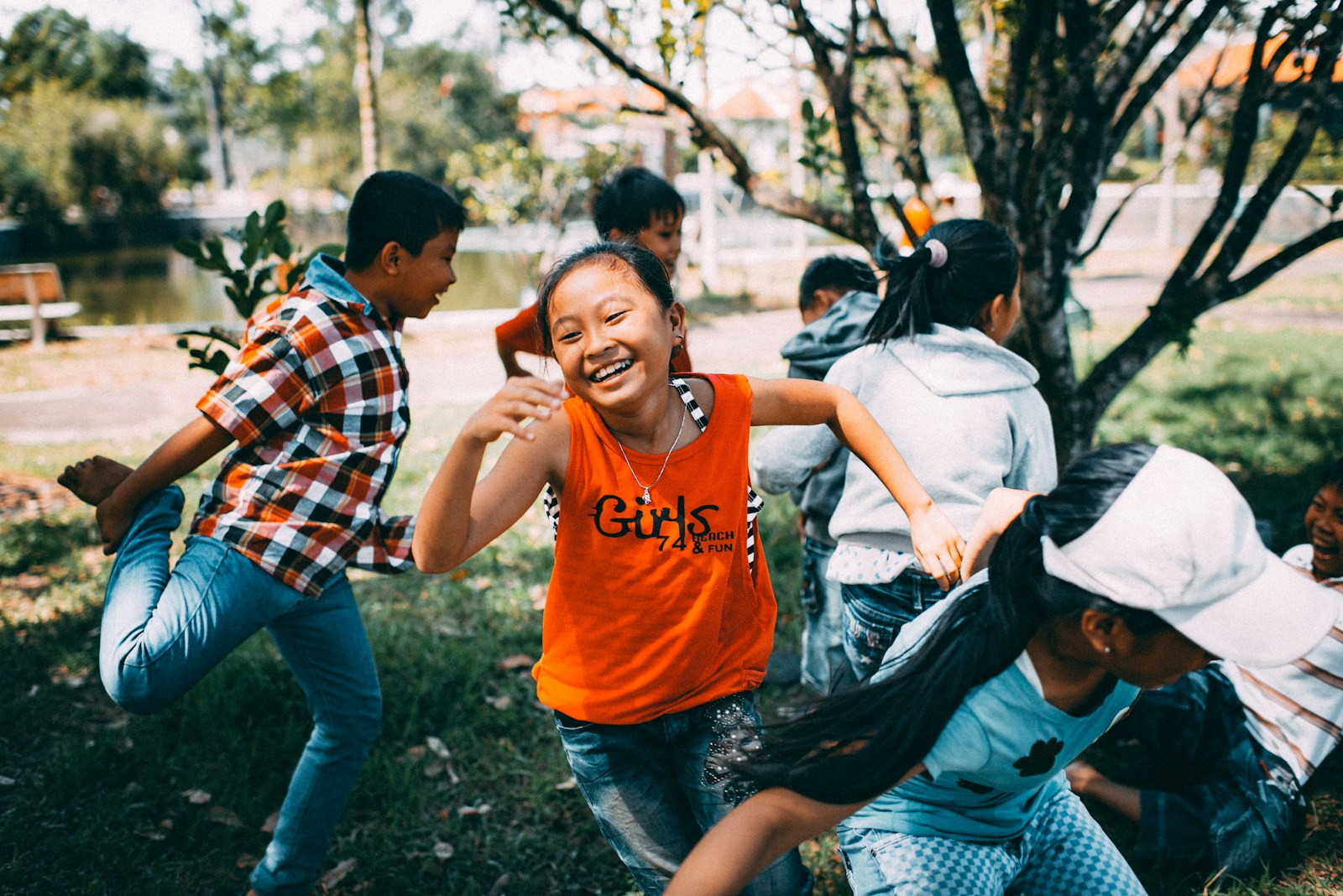


Every parent dreams of their child finding a true friend—someone to share laughter, adventures, and even those occasional scraped knees. But in today’s fast-paced world, it can feel overwhelming to figure out where these connections are built. Kids typically make friends at school, particularly on the playground, through extracurricular activities like sports or clubs, in their neighborhood, at daycare or preschool, and by participating in community activities like scouts or local classes. These settings are where magic happens: laughter shared over a swing set, teamwork on the soccer field, or quiet bonding over a shared interest in art or music.
Let’s dive deeper into these common friendship hubs and explore how you, as a parent, can foster these connections.
Key Takeaways
- Kids often make friends in structured environments like schools and extracurricular activities as well as unstructured settings like neighborhoods.
- Shared interests and positive social skills are key to building friendships.
- Parents play a critical role in creating safe opportunities for their children to connect with peers.
- Tools like Friendometry offer a modern way to find friends for kids online in a secure, parent-supervised environment.
Where Do Kids Make Friends? Key Places
 Children making friends in different settings, including a school playground, art class, neighborhood biking, and community activity, symbolizing connection, inclusion, and joy.
School: The First Social Playground
Classrooms, hallways, and especially the playground serve as primary hubs for kids to make friends.
- Classroom friendships: Kids often bond over shared projects, sitting near each other, or group activities. Teachers can help facilitate this by pairing children with complementary personalities.
- Playground adventures: Unstructured play fosters natural interactions. Games like tag or soccer encourage teamwork and collaboration.
Parent Tip: Arrange playdates with your child’s classmates. This deepens connections outside of school hours and strengthens bonds.
Extracurricular Activities: Shared Passions Spark Friendship
Sports teams, music groups, art clubs, and other after-school programs provide kids with opportunities to connect with peers who share similar interests.
- Sports: Joining a soccer team or swimming club teaches teamwork and mutual respect.
- Creative outlets: Art classes or theater groups encourage children to express themselves and appreciate others’ talents.
Parent Tip: Encourage your child to try different activities. This expands their circle and exposes them to diverse personalities.
Neighborhood: Friendships Next Door
Kids often make friends right in their own backyard.
- Outdoor play: Riding bikes, playing tag, or organizing mini-sports events fosters natural bonding.
- Community events: Neighborhood picnics or holiday gatherings are great for connecting with other families.
Parent Tip: Get involved in neighborhood groups or organize local meetups to encourage interaction.
Daycare/Preschool: Early Friendships
For younger children, daycare and preschool are natural settings for making friends.
- Shared activities: Circle time, art projects, and shared meals encourage interaction.
- Routine interactions: Consistent daily schedules help kids become familiar with each other, fostering trust and connection.
Parent Tip: Stay in touch with other parents at daycare or preschool. You can arrange playdates to strengthen early bonds.
Community Groups: Broader Social Opportunities
Organizations like scouts, youth groups, and church activities bring kids together in meaningful ways.
- Shared missions: Volunteering or working on community projects fosters teamwork and empathy.
- Local classes: Activities like cooking or martial arts lessons offer unique opportunities to meet peers.
Parent Tip: Look for programs designed for kids with specific needs, such as activities for kids with autism or ADHD, to ensure an inclusive environment.
Important Factors for Making Friends
Shared Interests
Engaging in activities that kids enjoy together creates a natural foundation for friendship.
Positive Social Skills
Friendliness, approachability, and the ability to initiate conversations are essential.
Parent Tip: Teach your child simple phrases like, “Hi, can I join you?” or “What’s your favorite game?” to help them approach others confidently.
Playdates and Parent-Supervised Matches
Structured time spent together strengthens bonds. Using tools like Friendometry, parents can find local friends for kids in a safe, controlled way.
How Friendometry Can Help
If your child struggles with making friends, tools like Friendometry are invaluable. By offering parent-supervised friend matching, Friendometry provides a secure platform to connect with other families looking for meaningful friendships. It’s especially helpful for parents seeking support for lonely children or looking for activities tailored for kids with autism or ADHD.
Key Features of Friendometry:
- Safe platforms for children’s friendships.
- Parent-supervised profiles and messaging.
- A supportive community of parents prioritizing their children’s emotional well-being.
Explore Friendometry’s features here.
Practical Tips for Parents
- Encourage Social Skills Development: Help your child learn how to start and sustain conversations.
- Provide Opportunities: Take your child to parks, join local clubs, or use apps for kids with ADHD or autism to find specialized activities.
- Be a Role Model: Demonstrate friendliness and kindness in your interactions to inspire your child.
- Leverage Technology: Modern tools like Friendometry make it easier to find and connect with local families.
Activities to Foster Friendship
| Activity | Social Skills Developed | Suitable For |
|---|---|---|
| Team Sports (Soccer, Basketball) | Teamwork, communication | All kids |
| Art or Music Classes | Creativity, collaboration | Autistic children |
| Playdates | Trust-building, empathy | Younger children |
| Therapy Games | Focus, patience | ADHD children |
| Scouting | Leadership, responsibility | All kids |
Inspirational Words
“Friendship is the foundation of emotional well-being in childhood. Every child deserves the chance to build a bond that makes them feel valued and supported.”
FAQs
How can I help my child make friends if they are shy?
Start small by arranging one-on-one playdates with a familiar peer. Encourage them to join activities they enjoy where they can naturally meet others.
Are there tools to help kids with autism or ADHD make friends?
Yes, platforms like Friendometry offer parent-supervised friend matching. Additionally, apps for kids with autism or ADHD can provide social activities tailored to their needs.
What should I do if my child is lonely?
Talk openly about their feelings and consider structured activities or tools to help them connect. Parent-supervised platforms like Friendometry can be particularly useful for finding local friends for kids.
How do shared interests help kids make friends?
Shared activities provide common ground, making it easier to connect and build a relationship.
By encouraging connections in these spaces and leveraging tools like Friendometry, we can ensure that no child feels the sting of loneliness. Let’s create a world where every child thrives emotionally, surrounded by friendships that lift them up.