


As parents, watching our child struggle to make friends or feel comfortable in social settings can be heart-wrenching. We ask ourselves, “Why does my child lack social skills?” The answer isn’t always straightforward, but understanding the potential reasons can help you take meaningful steps to support your child. Here are some common reasons your child might not be social:
- Shyness or introversion: Some children naturally prefer solitude over social interaction.
- Difficulty with social cues: They might struggle to interpret facial expressions, tones, or gestures.
- Low self-confidence: Fear of rejection or ridicule may keep them from engaging socially.
- Limited socialization experience: A lack of opportunities to socialize can hinder their ability to connect.
- Developmental disorders: Challenges such as autism spectrum disorder (ASD) can significantly impact social skills.
Let’s explore how we can help children develop the social skills they need to thrive.
Key Takeaways
- Many factors, including temperament, self-esteem, and developmental conditions, can influence a child’s social skills.
- Parents play a critical role in nurturing these skills through practice, modeling, and encouragement.
- Tools like Friendometry provide safe and effective platforms to connect children with potential friends.
- Social skills development is a journey—patience and persistence are key.
Reasons Why Your Child May Lack Social Skills
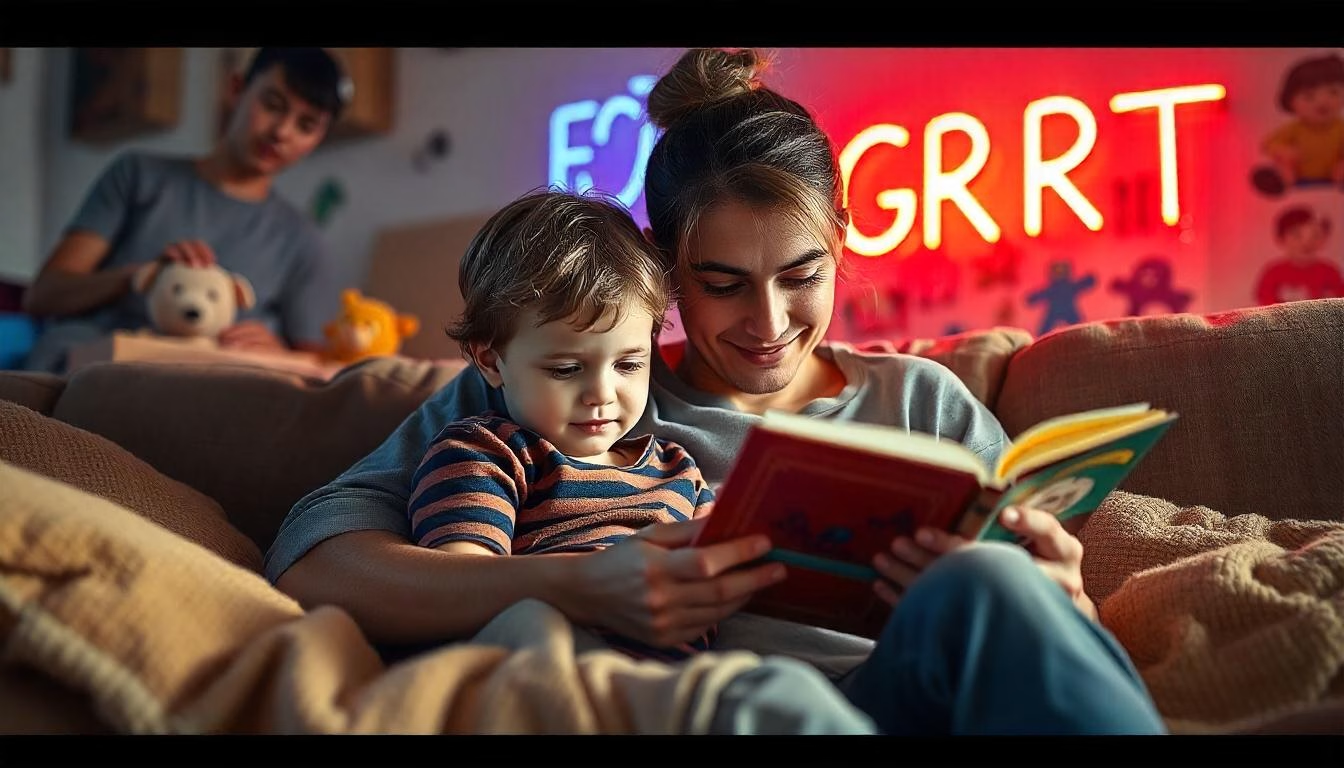
 A parent and child sitting on a couch, reading a book together in a warm, well-lit room, with toys and artwork in the background symbolizing creativity and connection.
1. Shyness or Introversion
Some children are naturally shy or introverted. They may prefer quiet activities like reading or drawing over playing with a group. This is a personality trait rather than a flaw, and it’s important to respect their boundaries while gently encouraging interaction.
2. Difficulty with Social Cues
Children with difficulty understanding social cues might not recognize when it’s their turn to speak or how to interpret another person’s emotions. This is often seen in kids with autism or ADHD and can make socializing challenging.
3. Low Self-Confidence
Children who doubt their abilities or fear rejection may avoid social situations altogether. This avoidance can reinforce their belief that they are not good at making friends.
4. Limited Socialization Experience
A child who hasn’t had many opportunities to play with peers may feel unsure of how to interact. Pandemic-related isolation has made this a more common issue in recent years.
5. Developmental Disorders
Conditions such as autism spectrum disorder (ASD) or ADHD often affect social interaction skills. These children may need additional support to navigate social environments effectively.
How to Help Your Child Build Social Skills
1. Practice Social Skills
Create a safe space for your child to practice conversations and role-play social situations. For example:
| Situation | Practice Activity |
|---|---|
| Greeting someone | Practice saying “Hi, how are you?” with family. |
| Taking turns | Play turn-based board games. |
| Sharing toys | Encourage sharing during playdates. |
2. Model Good Behavior
Children learn by watching us. Demonstrate positive interactions, like saying “thank you,” maintaining eye contact, and resolving conflicts calmly.
3. Review Social Cues
Before a social event, talk to your child about body language, tone, and expressions. For example, explain that crossed arms might mean someone is upset or not open to talking.
4. Encourage Reading
Books are powerful tools for building empathy and understanding perspectives. Stories about friendships can inspire your child to try new ways of connecting with others.
5. Promote Unstructured Play
Activities like dress-up or building with blocks allow children to use their imagination and learn to cooperate with peers in a relaxed setting.
The Role of Technology in Building Friendships
Platforms like Friendometry provide a safe, parent-supervised way to help children connect with peers. By joining a community of parents, you can find local families seeking friendships for their children. This is especially helpful for kids with autism or ADHD, who may benefit from guided introductions.
Pro Tip: Look for apps for kids with autism and ADHD that promote social skills through games and interactive activities. These tools can complement face-to-face interactions.
Quotes to Inspire
“A child’s greatest achievements are possible in play.” “Friendship is born at the moment when one person says to another, ‘You too? I thought I was the only one.’”
FAQs
How can I find local friends for my child?
Use tools like Friendometry to connect with nearby families. Search for other parents in your area who are also looking for friendships for their children.
What are the best activities for kids with autism?
- Group art projects
- Sensory play
- Storytime sessions These activities foster creativity and social interaction in a relaxed environment.
Are there safe platforms for children’s friendships?
Yes, platforms like Friendometry are designed with safety in mind. They provide a secure, parent-supervised way to build connections.
What if my child has ADHD? How can I help?
Encourage therapy activities for kids with ADHD, like yoga or mindfulness games. These can boost focus and improve social skills. Check out apps for kids with ADHD for engaging and educational games.
Final Thoughts
Every child’s social journey is unique. Whether your child needs help with social skills or simply hasn’t found the right friends yet, remember that you’re not alone. Through patience, practice, and tools like Friendometry, your child can build meaningful connections that enrich their life and boost their confidence. Let’s create a world where every child feels supported, valued, and connected.

