


Friendship bracelets are more than just a craft project; they’re a beautiful way to celebrate connection, creativity, and kindness. Whether your child is making a bracelet for a best friend or a new companion, the process of creating these little treasures fosters patience, creativity, and emotional connection. Let’s make friendship bracelets together!
Key Takeaways
- Making friendship bracelets is a fun and meaningful activity for kids that helps improve fine motor skills, patience, and social bonding.
- You only need simple materials like embroidery floss, scissors, and tape to get started.
- This craft is suitable for children with autism or ADHD, offering therapeutic benefits like improving focus and fostering self-expression.
- Parents can supervise and guide, making this activity a chance to bond and teach valuable skills.
Let’s Make Friendship Bracelets!
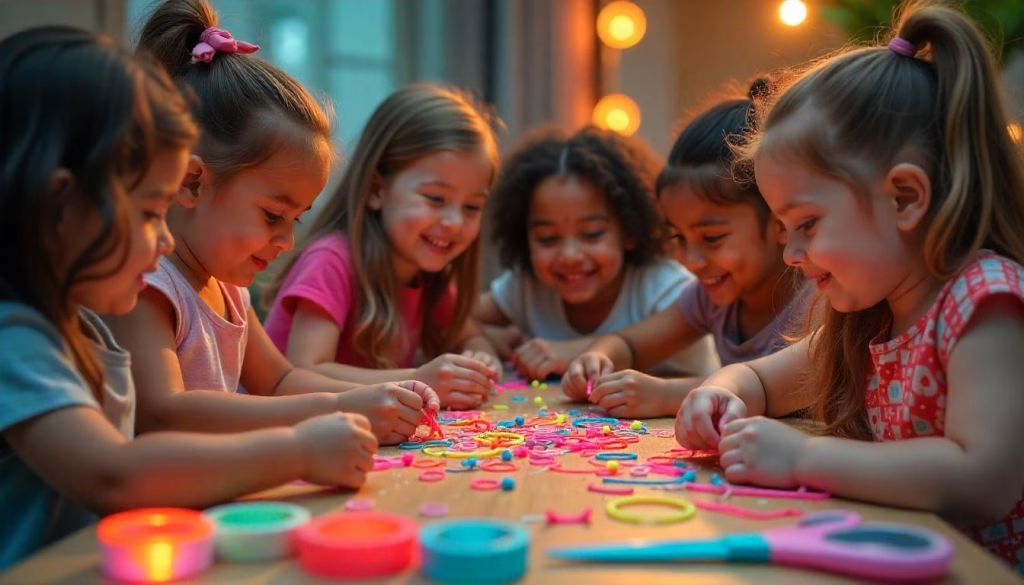 Children of diverse backgrounds crafting colorful friendship bracelets at a table, surrounded by vibrant threads, scissors, and tape, reflecting creativity and joy.
Materials You’ll Need:
- Embroidery floss (various colors for personalization)
- Scissors
- Tape
- Optional: Ruler, pencil
Step-by-Step Instructions:
- Choose Your Colors: Let your child pick their favorite colors to reflect their personality or the recipient’s preferences. This step encourages creativity and personal expression.
- Cut Your Threads: Cut 8 strands of embroidery floss, each about 24 inches long. Having equal lengths ensures a uniform bracelet.
- Tie the Knot: Gather the strands and tie a simple knot at one end, leaving a small loop for fastening later.
- Tape It Down: Secure the knot to a flat surface like a table or book using tape. This keeps it steady as you work.
- Separate the Strands: Spread out the strands so they don’t tangle. Organization is key here!
- Start Knotting: Follow these simple steps for a basic forward knot pattern:
- Take the leftmost strand and loop it over the strand to its right.
- Pull the left strand through the loop and tighten it to form a knot.
- Repeat this process, moving the leftmost strand to the right with each pair of knots.
- Keep Knotting: Continue knotting until the bracelet reaches the desired length. Celebrate progress along the way!
- Tie a Knot: Tie a knot at the end to secure the bracelet.
- Trim the Ends: Use scissors to trim any excess thread for a neat finish.
- Admire Your Creation: Your child’s unique bracelet is ready to wear or share. Every knot holds a story of love and effort.
Why Making Friendship Bracelets Is Great for Kids
Friendship bracelets aren’t just crafts; they’re tools for growth. For children with autism or ADHD, this activity provides sensory stimulation and helps develop fine motor skills. Crafting together also creates moments of connection between parents and kids, nurturing relationships.
Benefits of Friendship Bracelet-Making:
| Benefit | Why It Matters |
|---|---|
| Improves fine motor skills | Encourages precision and hand-eye coordination. |
| Enhances focus and patience | Builds perseverance through repetitive movements. |
| Boosts creativity | Allows kids to experiment with colors and patterns. |
| Encourages social bonding | Strengthens friendships and teaches the joy of giving. |
| Therapeutic for autism/ADHD | Provides a calming, structured activity with sensory benefits. |
Tips and Tricks for the Perfect Friendship Bracelet
- Use a Ruler: If your child wants a specific length, measure as you go.
- Start Simple: For beginners, start with just a few strands and basic knots.
- Get Creative: Experiment with different patterns like chevrons or twists.
- Encourage Practice: It’s okay if the first bracelet isn’t perfect. Practice builds skill and confidence.
- Group Activity: Making bracelets with friends or siblings can double the fun and social interaction.
Building Friendships Through Crafting
For children who struggle with social interactions, like those with autism or ADHD, making friendship bracelets can open doors to connection. Activities like this can be used in therapy or social skills groups to help kids build confidence and express themselves. As parents, we can guide them in sharing these creations, reinforcing the joy of giving and receiving.
One parent shared: “Teaching my child to make bracelets became more than just a craft. It was our way of talking about friendships, sharing, and even dealing with frustration. Each bracelet tells a story of growth and love.”
FAQs
How can I make this activity more inclusive for children with special needs?
Ensure a quiet, comfortable space for crafting. Use visual aids or step-by-step pictures to guide them. Let them take breaks if needed and celebrate their effort, not just the outcome.
What’s the best way to teach knotting to beginners?
Start with a simple pattern and demonstrate each step slowly. Show patience and encourage your child to try, even if mistakes happen. Repetition is key to mastery.
Can friendship bracelets help combat childhood loneliness?
Absolutely! Crafting together fosters connections. Sharing bracelets can spark conversations and build friendships, especially for kids who may struggle with social interactions.
Final Thoughts
Friendship bracelets symbolize love, effort, and connection. For parents, this activity offers an opportunity to guide children in developing valuable skills while creating something meaningful. For children, it’s a way to express themselves and connect with others. Whether your child is neurotypical or has autism or ADHD, this craft fosters emotional growth, resilience, and joy.
Let’s spread kindness, one bracelet at a time. The bonds we knot today will hold the friendships of tom

