


Sometimes, the hardest part of parenting isn’t handling meltdowns or managing routines—it’s seeing your child sit alone while others play. If you’ve ever watched your neurodivergent child long for connection but not know how to reach out, you’re not alone. Building friendships is a vital part of development for all children, and neurodivergent kids can especially benefit from tailored approaches and tools. These tools often focus on explicitly teaching social skills, creating supportive environments, and leveraging individual strengths.
Let’s explore the most effective, heart-centered tools and strategies that help neurodivergent kids connect with others and thrive socially.
Key Takeaways
- Structured social skills groups and coaching help neurodivergent children navigate friendships.
- Visual supports like social stories and schedules reduce anxiety in social settings.
- Role-playing and video modeling boost confidence in real-life interactions.
- Leveraging interests like art or games builds natural peer connections.
- Technology offers apps and platforms to support social development online.
- Parent involvement is essential in modeling, planning, and supporting friendships.
- A neurodiversity-affirming approach respects each child’s authentic self.
Why Tools Matter: The Unique Social Needs of Neurodivergent Kids
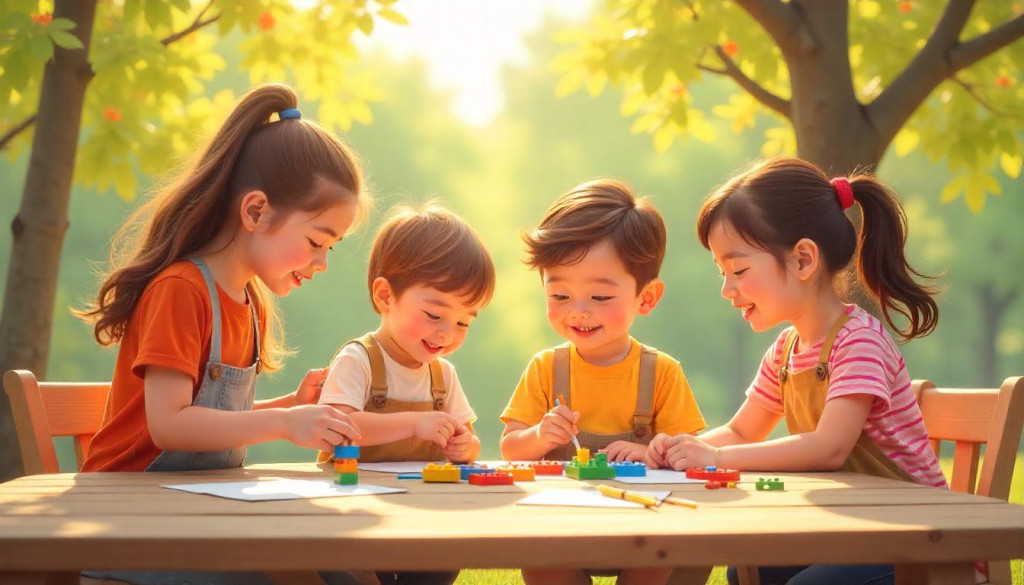 Neurodivergent children playing together in a supportive setting with parents nearby, engaging in creative activities like Legos and painting.
Every child deserves to feel connected and understood. But children with autism, ADHD, or anxiety may face unique challenges in building and maintaining friendships. These challenges aren’t due to a lack of desire for connection, but often due to differences in how they process social information, communicate, or manage sensory input.
Supporting them with the right tools and approaches means helping them authentically connect, not forcing them to fit a mold. Let’s walk through the most supportive tools that make a real difference.
Structured Social Skills Programs: Building Blocks for Connection
Social Skills Groups: A Safe Space for Learning Together
Programs like PEERS® and Social Thinking® offer research-based social skills training for children with autism and ADHD. These structured group sessions create a safe, consistent space for:
- Practicing conversation starters and turn-taking
- Learning how to join group activities
- Managing rejection and resolving conflicts
Many parent-supervised friend matching platforms are inspired by this model, helping you find friends for kids online while keeping safety a top priority.
Peer Mentoring and Direct Coaching
- Peer mentoring pairs your child with a neurotypical peer or older neurodivergent child for real-time modeling.
- Therapy-based coaching breaks down complex social situations into manageable steps using therapy activities for kids with ADHD or autism.
Visual Supports and Learning Aids: Making the Abstract Concrete
Common Visual Tools
| Tool | What It Helps With |
|---|---|
| Social Stories | Understanding social norms and expectations |
| Visual Schedules | Predictability and reduced anxiety during social events |
| Comic Strip Conversations | Emotional perspective-taking and decoding interactions |
| Prompt Cards & Checklists | Step-by-step guidance during play or conversation |
These are especially useful in teaching kids with autism to socialize and help build emotional growth in children who thrive on structure.
Role-Playing and Video Modeling: Practice Makes Connection Easier
When children are given space to rehearse, they build confidence and resilience. Here’s how:
Role-Playing Scenarios
Try practicing scenarios like:
- Greeting a new classmate
- Asking to join a group activity
- Navigating a disagreement kindly
Use role-playing during fun activities for autistic children to keep it engaging and safe.
Video Modeling
Video modeling, especially Video Self-Modeling (VSM), allows kids to see themselves succeeding in social situations. This boosts confidence, retention, and social skills for kids with ADHD and autism alike.
When kids see themselves succeed, they begin to believe they can succeed.
Leveraging Strengths: Connecting Through Shared Interests
Every child shines in their own way. Shared interests are powerful bridges to friendship.
Activities That Foster Friendship Naturally
- Art Classes: Ideal for self-expression and connection
- Lego Clubs: Structured creativity with teamwork
- Coding or Robotics Groups: Great for logical thinkers
- Gaming Meetups: Support for those who love online play
- Drama & Music: Safe emotional expression and collaboration
These are also excellent ADHD-friendly activities for children that tap into their unique focus and creativity.
Structured Playdates
Start small. A one-on-one playdate with planned activities in a familiar environment creates:
- Lower sensory input
- Predictable outcomes
- More successful first impressions
These moments help get rid of autism myths around social isolation by showing real, joyful connection.
Tech-Supported Connection: Modern Tools that Build Friendships
Best Apps and Online Platforms
- Friendometry: Our own safe platform for children’s friendships, helping parents connect children based on interests and geography.
- Autism Apps and ADHD Tools: Apps like Endless Reader or Breathe, Think, Do offer low-pressure environments for learning social-emotional skills.
These tools are a bridge for families seeking ways to help kids make friends online or find local friends for kids while maintaining safety.
Online Playdates and Communities
Online interactions can be the perfect stepping-stone for kids who are anxious or overwhelmed in person. Some platforms even provide parenting tips for child friendships and offer ADHD coping strategies for parents navigating digital spaces.
Connection can start behind a screen, and still lead to real-world friendships.
Parent and Caregiver Involvement: Your Role is Everything
How You Can Support
- Model social interactions at home
- Narrate your own friendships and how you maintain them
- Celebrate small wins
- Encourage consistent practice in real settings
When you create a community of parents who are also raising neurodivergent kids, you build shared trust and opportunities for natural friendships.
Join Supportive Communities
Seek out groups like:
- Autism community for parents on Facebook
- ADHD support groups for parents in your area
- Local or virtual parenting meetups for inclusive playdates
These groups help reduce childhood loneliness and connect you with resources to foster authentic friendships.
Important Considerations: Every Child Deserves to Be Themselves
We know that success doesn’t come from forcing a child to act neurotypical. Instead, we follow a neurodiversity-affirming approach that celebrates each child’s communication style, preferences, and pace.
Best Practices
- Focus on emotional growth in children through encouragement, not correction
- Help them advocate for themselves as they grow
- Use alternatives to ADHD medication for kids when possible, such as behavioral tools and routines
The goal isn’t to “normalize” your child. It’s to help them thrive authentically and connect meaningfully.
FAQs: Supporting Your Neurodivergent Child’s Social Life
How can I help my child with ADHD make friends?
Start with structured playdates and build routines that allow for shared interest interactions. Use therapy games for ADHD children that focus on turn-taking, impulse control, and empathy.
Are there any safe platforms to find friends for kids online?
Yes. Platforms like Friendometry are designed to connect children safely under parent supervision. These platforms help combat loneliness in kids while prioritizing child safety.
What if my child doesn’t want to socialize?
Respect their pace. Encourage low-pressure interactions like autism-friendly group activities, and let them choose how and when to participate.
Can apps actually help my child build friendships?
Absolutely. Some of the best apps for children with autism or ADHD teach emotional regulation and social norms in fun, digestible ways. Look for those with interactive, visual storytelling features.
Final Thoughts: You Are Not Alone
Watching your child struggle to connect is heartbreaking, but with the right tools, patience, and community support, transformation is not only possible—it’s beautiful to witness. From structured programs to safe tech tools like Friendometry, you have a range of compassionate, effective resources at your fingertips.
As we support our children in building social skills, let’s continue to advocate for spaces where they can show up as their full, radiant selves. Because every child deserves to feel seen, valued, and connected.
Explore More:
- Friendometry: Safe Friendships for Neurodivergent Kids
- Autism Speaks: Social Skills Resources
- Child Mind Institute: ADHD Parenting Support
Let’s build a world where friendship feels possible—and joyful—for every child.

