
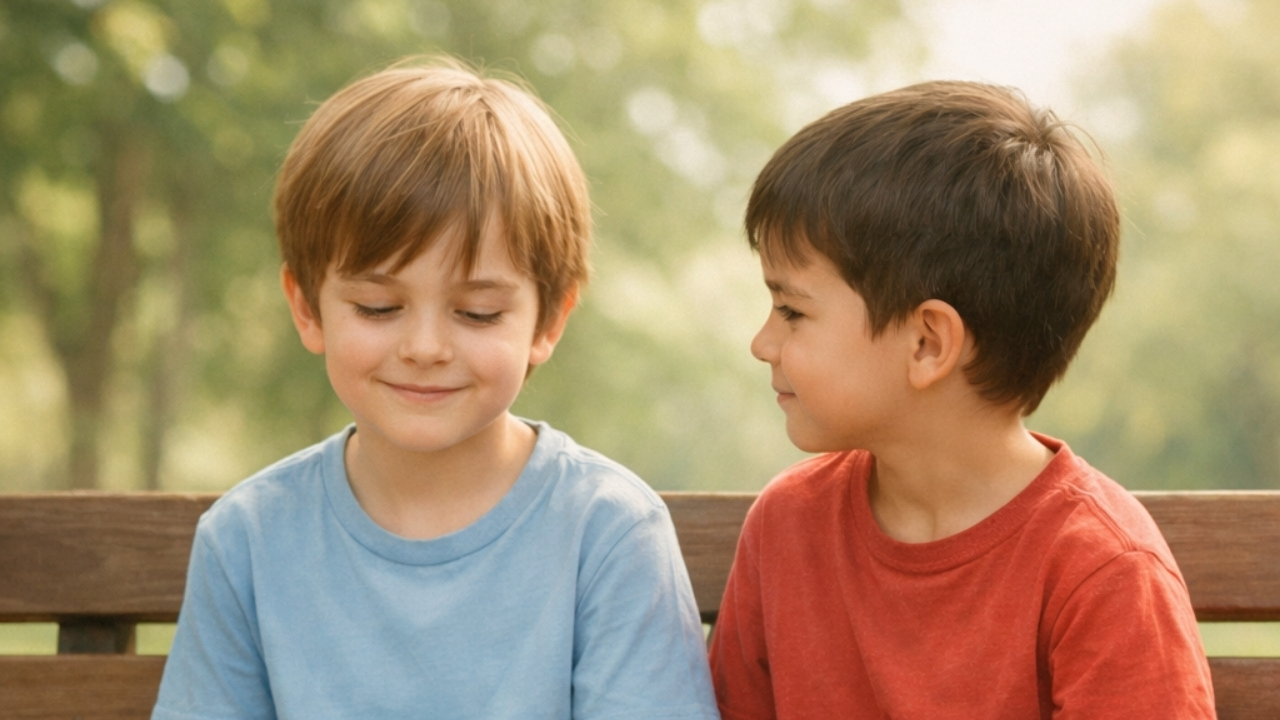


For many parents, watching their child struggle to make friends can be quietly heartbreaking. You may notice your child standing on the sidelines at school, wanting to join but unsure how. You may hear them ask why friendships seem so easy for others and so confusing for them. For parents of autistic children, these moments can feel especially heavy.

Friendship is not just about playdates or conversations. It is about belonging, feeling chosen, and knowing you matter to someone else. The beautiful truth is that friendship can grow in many forms, and autistic children are absolutely capable of building deep and meaningful connections when they are supported with patience, understanding, and the right tools.
Many parents who come looking for guidance on platforms like Friendometry are simply trying to understand what friendship really means for their child.
Friendship Child Meaning and Why It Matters So Much
Before helping a child make friends, it helps to understand what friendship really means for a child.
The meaning of friendship is simple but powerful. It means having someone who listens, someone who shares moments with you, and someone who accepts you as you are. For autistic children, friendship may not involve constant talking or large groups. It may be quiet, interest-based, or built slowly over time.
Some autistic children connect through shared passions like drawing, animals, games, or science. Others feel safest with one trusted friend rather than many. All of these are real friendships, even if they look different from what society often expects.
When parents stop measuring friendship by numbers and start measuring it by comfort and trust, everything shifts.
Seeing Friendship Through Your Child’s Perspective
Autistic children often experience the social world differently. What feels natural to one child may feel confusing or overwhelming to another.
Things like understanding jokes, reading facial expressions, or knowing when to speak can require extra mental effort. Sensory sensitivities or anxiety can make noisy or unpredictable social settings exhausting. Past experiences of rejection may also make children cautious about trying again.
None of this means your child does not want friends. Often, it means they want connection but need clearer guidance and safer environments to build it.
Building Social Confidence at Home First
Home is where children feel safest, and it is the best place to begin learning friendship skills.
Practice Social Moments Gently
Everyday family interactions are powerful teaching moments. Taking turns while talking, listening without interrupting, or asking how someone feels all build social awareness naturally.
Role-playing can be especially helpful. Practicing how to say hello, how to ask to join a game, or how to handle disappointment prepares children for real-life situations without pressure.
Use Clear and Honest Language
Many autistic children benefit from direct explanations. Instead of vague instructions, explain why certain behaviors matter.
For example, you might say, “When we let someone else choose the game sometimes, they feel respected and want to play again.” These small explanations help children understand the social world instead of guessing it.
Helping Children Understand Emotions
Friendship depends on emotional understanding, both for oneself and for others.
Teaching emotions step by step can include naming feelings during daily life, talking about emotions in stories, or using visual emotion charts. This helps children recognize what they feel and communicate it clearly.

Just as important is emotional validation. When a friendship attempt does not go well, acknowledge the hurt instead of dismissing it. Saying, “I see that made you sad, and that feeling makes sense,” helps children feel supported and understood.
Creating Safe and Meaningful Social Opportunities
Friendships grow best in environments where children feel comfortable being themselves.
Focus on Shared Interests
Interest-based connections often feel easier and more natural for autistic children. Activities centered around things they love provide built-in conversation topics and shared joy.
This can include clubs, classes, or small group activities. It can also include supervised online spaces designed with safety and age-appropriateness in mind.
Today, many parents explore options like a friendship finder app for kids or a website for 12-year-olds to make friends. When thoughtfully designed, these platforms can help children connect with peers around the world who share similar interests, especially for children who find face-to-face interaction challenging at first.
For some families, an app to make friends around the world under 18 can offer a gentle introduction to social connection, especially when parents are involved and safety features are strong.
Start Small and Predictable
One-on-one playdates or small groups with clear activities often work better than large, unstructured gatherings. Preparing your child ahead of time by explaining what will happen, who will be there, and how long the activity will last can significantly reduce anxiety.
Supporting Online Friendships Responsibly
In today’s digital world, friendship does not only happen in classrooms or playgrounds.
Many autistic children feel more comfortable expressing themselves online, where they have time to think before responding and can connect over shared interests. Tools like a friendship finder app like friendometry or child-friendly platforms can support this when used responsibly.
Parents should stay involved, guide conversations, and choose platforms designed specifically for children and teens. When done safely, online friendships can be real, meaningful, and confidence-building.
Working With Schools and Support Teams
School plays a major role in children’s social lives, and collaboration makes a difference.
Teachers, counselors, and therapists can support social goals through structured activities, peer buddy systems, or social skills groups. When social development is treated as important as academic growth, children feel more supported.
Open communication with the school helps ensure that your child’s needs, strengths, and challenges are understood and respected.
Helping Children Keep Friendships Over Time
Making a friend is only the beginning. Keeping a friend also requires learning and support.
Friendship maintenance skills like taking turns, compromising, apologizing, and staying in touch can be taught clearly and patiently. Visual reminders or simple routines can help reinforce these habits.
Celebrate effort rather than perfection. Not every interaction will succeed, and that is part of learning. Confidence grows when children feel proud of trying, even when things feel hard.
Teaching Self Worth and Acceptance
Perhaps the most important gift parents can give is helping children believe they are worthy of friendship just as they are.
Friendship should never require masking, changing personality, or hiding autistic traits. It should be built on acceptance, respect, and shared understanding.
When children know they are valued at home, they approach friendships with more confidence and less fear of rejection.
Final Thoughts for Parents
Helping an autistic child make and keep friends is a journey, not a deadline. Progress may come in small steps, quiet moments, and unexpected connections.
Whether friendship forms through school, shared interests, a friendship finder app for kids, or a safe website for 12-year-olds to make friends, what matters most is that your child feels seen, accepted, and supported.
Friendship does not have one shape. For autistic children, it can be gentle, meaningful, and deeply rewarding when nurtured with patience and love.
Read More:

