


Have you ever noticed a child flapping their hands when they’re excited or tapping their fingers when they’re deep in thought? For children with autism, these hand movements can be more than just habits—they are a natural way of engaging with the world. Hand movements in autism can be a form of self-stimulatory behavior known as “stimming.” These movements vary widely, but some common examples include:
- Hand flapping: Repetitive flapping or waving of the hands, often near the face.
- Finger flicking: Rapidly flicking or wiggling the fingers.
- Hand wringing: Twisting or rubbing the hands together.
- Clapping: Repetitive clapping, sometimes with variations in speed or rhythm.
- Finger tapping: Tapping fingers on surfaces or against each other.
Understanding these movements helps us create a more inclusive world where children with autism feel supported and understood.
Key Takeaways
- Hand movements in autism are a type of self-stimulatory behavior known as “stimming.”
- These movements serve various purposes, including sensory regulation, emotional expression, self-soothing, and communication.
- Not all hand movements indicate autism, and they are not necessarily problematic.
- If hand movements interfere with daily activities, there are strategies and therapies available to help.
- Creating supportive environments for autistic children encourages self-expression and emotional well-being.
Why Do Hand Movements Happen in Autism?
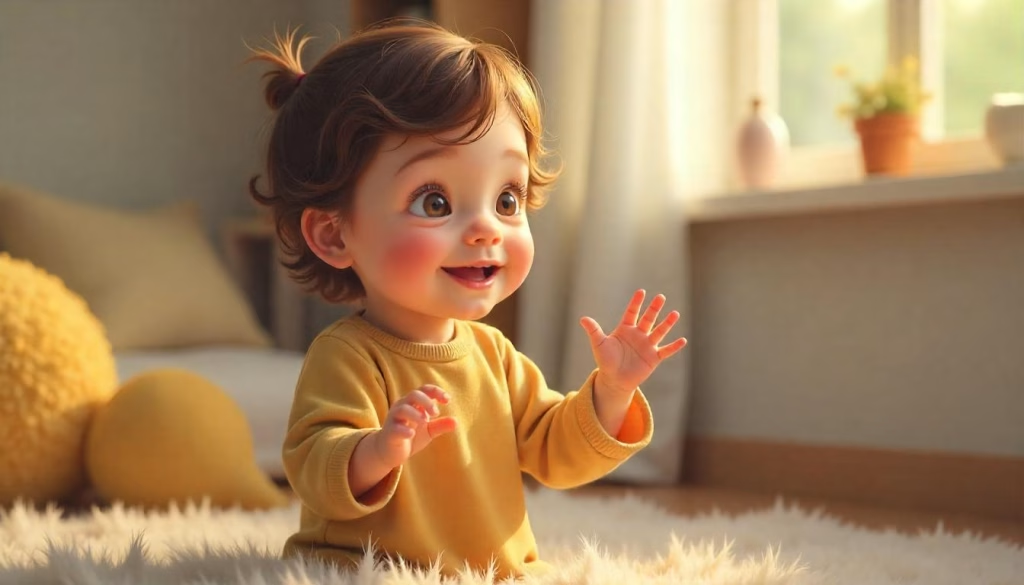 An autistic child smiling while engaging in hand movements, such as gentle hand flapping, in a calm and supportive setting, symbolizing self-expression and sensory regulation.
Sensory Regulation
Many children with autism process sensory input differently. Hand movements like flapping or wringing can help regulate overwhelming stimuli, making the world feel more manageable.
Emotional Expression
These movements can be a way of expressing joy, excitement, anxiety, or frustration. When words fail, hands can communicate what’s inside.
Self-Soothing and Comfort
Repetitive hand movements can help autistic children feel calm and in control, especially in overwhelming or unfamiliar environments.
Communication Without Words
Some children use hand movements as a form of non-verbal communication. For instance, flapping hands might indicate happiness, while finger flicking might signal stress or discomfort.
Common Hand Movements in Autism
| Hand Movement | Description | Common Triggers |
|---|---|---|
| Hand Flapping | Rapid, repetitive hand motions | Excitement, anxiety, sensory overload |
| Finger Flicking | Quick, repeated finger movements | Stress, focus, curiosity |
| Hand Wringing | Twisting or rubbing hands together | Nervousness, tension relief |
| Clapping | Rhythmic hand slapping | Joy, anticipation, self-regulation |
| Finger Tapping | Lightly tapping fingers on surfaces or each other | Deep thought, boredom, stress |
Are Hand Movements a Concern?
Not necessarily. Many autistic individuals use stimming behaviors to cope with their environment. However, if hand movements interfere with learning, social interactions, or safety, parents might explore strategies to help their child manage them effectively.
Strategies to Support Autistic Children
Encourage Alternative Self-Regulation Techniques
Instead of discouraging hand movements, offer sensory-friendly alternatives like:
- Fidget toys
- Stress balls
- Weighted blankets
- Sensory-friendly activities for kids with autism
Use Therapy Activities for Self-Regulation
- Occupational therapy can help children develop alternative coping strategies.
- ABA therapy (Applied Behavior Analysis) teaches self-regulation techniques.
- Social therapy ideas for children with autism help build social confidence.
Support Emotional Expression
- Encourage verbal or visual communication, such as drawing or sign language.
- Help children name and express their emotions through structured activities.
How Can Parents Foster Friendships for Autistic Kids?
Many parents worry that hand movements or other stimming behaviors might make it harder for their child to connect with peers. The good news? There are many ways to support friendships:
Find Local Friends for Kids Through Safe Platforms
Using parent-supervised friend-matching apps for kids with autism can help children connect with understanding peers who share similar interests. Friendometry is a great resource for finding safe, supervised friendships for children.
Encourage Autism-Friendly Group Activities
- Sensory-friendly playdates
- Structured board game nights
- Art therapy sessions
- Fun activities for autistic children that encourage teamwork
Help Kids Make Friends Online
- Look for safe platforms for children’s friendships that promote supervised interactions.
- Join an autism community for parents to find support and friendship opportunities.
Addressing Myths: Do Hand Movements Mean Autism?
Not all repetitive hand movements indicate autism. Many neurotypical children also engage in similar behaviors. However, in autistic individuals, these movements often have a deeper function related to self-regulation and expression.
Helping Autistic Kids Feel Confident in Social Settings
Building social skills for kids with autism is crucial for helping them thrive in friendships. Some effective strategies include:
- Teaching kids with autism to socialize through role-playing games
- Organizing autism-friendly group activities
- Encouraging social interaction ideas for children, like structured outdoor games
FAQs
Are hand movements always a sign of autism?
No, many children—autistic or not—engage in repetitive hand movements. In autism, these behaviors often serve a sensory or emotional purpose.
Should I stop my child from hand flapping?
Only if it’s harmful or interfering with daily activities. Otherwise, hand flapping can be a natural and self-soothing behavior.
How can I help my autistic child make friends?
Use parenting tips for child friendships, such as arranging structured playdates and exploring online tools for children’s social development like Friendometry.
What are some fun activities for autistic children?
- Water play
- Music therapy
- Sensory bins
- Lego-building sessions
Can therapy help reduce hand movements?
Yes, social therapy ideas for children with autism and therapy activities for kids with ADHD can provide alternative self-regulation strategies.
Creating a World of Understanding and Connection
Hand movements in autism are not just behaviors; they are a window into a child’s thoughts, emotions, and sensory experiences. Instead of seeing them as something to fix, let’s embrace them as part of a child’s unique way of interacting with the world. By fostering acceptance, supporting emotional growth in children, and providing safe platforms for children’s friendships, we can build a more inclusive future—one where every child feels valued and connected.
If you’re looking for ways to find friends for kids online in a safe, supportive environment, explore Friendometry—a trusted community of parents helping kids build lasting friendships.
Because every child deserves a friend.

