
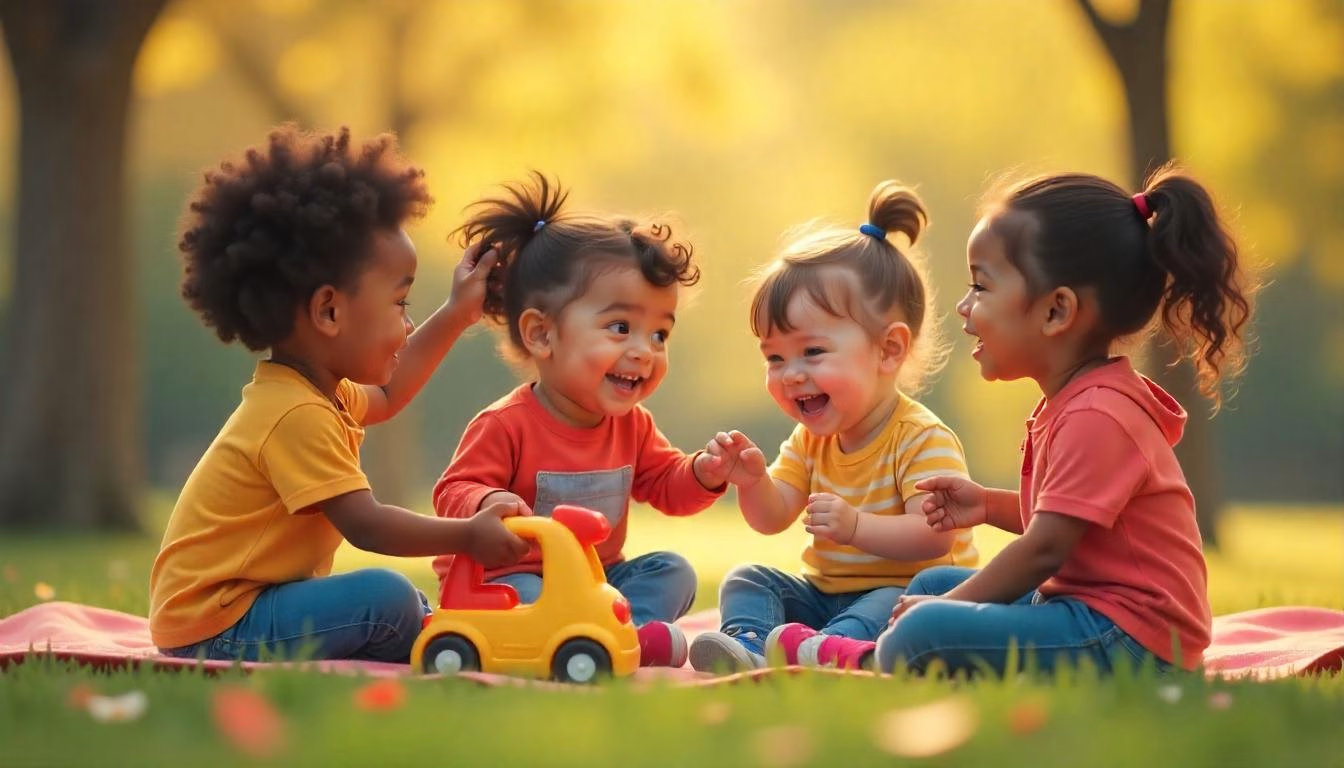


Making friends is a big part of growing up. It’s how children learn to share, cooperate, and build meaningful relationships. But what exactly makes a good friend? As parents, we can guide our children in understanding and embodying key friendship qualities that help them connect with others and grow emotionally.
This post will explore the essential traits that make a great friend, how to nurture these traits in children, and practical tips for fostering friendships. Let’s dive into this journey together.
Key Takeaways
- Friendship qualities like kindness, honesty, loyalty, and communication are foundational for strong relationships.
- Teaching these traits to children through role-playing, modeling, and encouraging empathy can build their social skills.
- Parents play a crucial role in creating safe opportunities for their kids to practice these qualities.
- Using tools like Friendometry connects families, offering a secure way for children to make friends while addressing childhood loneliness.
What Makes a Good Friend?
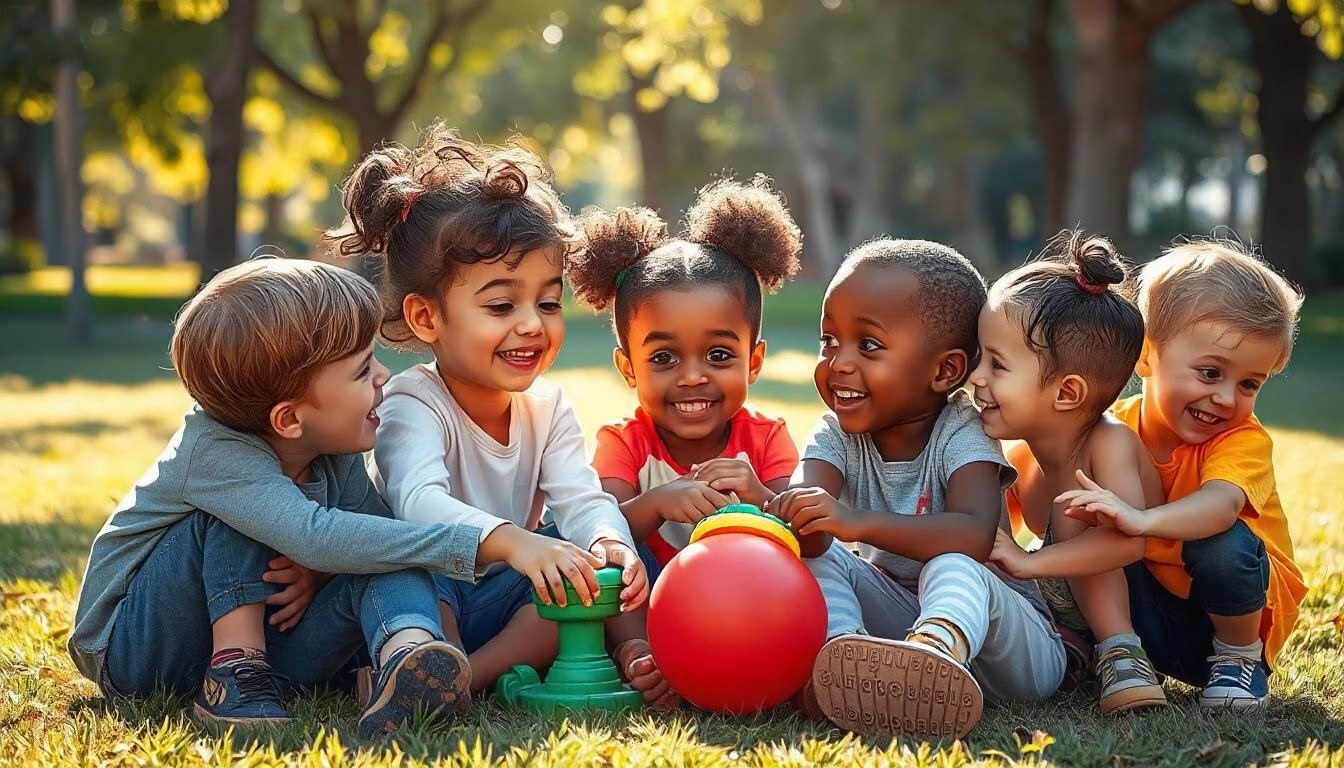
Good friends share qualities like kindness, honesty, loyalty, and respect. These traits help children feel valued and supported, making friendships last a lifetime. Below, we’ll explore these qualities and how parents can help children develop them.
Kindness and Compassion
What It Means
Being kind involves treating others with respect and care. Compassion takes it a step further by empathizing with others’ feelings and showing concern.
How to Teach It
- Encourage acts of kindness, such as sharing toys or helping a friend.
- Read books or watch movies that highlight compassionate characters.
- Model kindness by treating others politely and thoughtfully.
Honesty and Trustworthiness
What It Means
Honesty involves telling the truth, while trustworthiness is about being reliable and keeping promises.
How to Teach It
- Explain how lying can hurt relationships.
- Celebrate moments when your child demonstrates honesty.
- Model honesty by admitting your mistakes.
Loyalty and Support
What It Means
Loyalty is about standing by friends through good times and bad. Support involves listening and encouraging.
How to Teach It
- Teach your child to listen when their friends share feelings.
- Emphasize celebrating others’ successes and comforting them in tough times.
- Role-play supportive scenarios, like cheering up a sad friend.
Respect and Consideration
What It Means
Respect involves valuing others for who they are, and consideration means being mindful of their feelings and opinions.
How to Teach It
- Encourage children to listen without interrupting.
- Celebrate differences by introducing diverse stories and perspectives.
- Teach them to resolve conflicts respectfully.
Communication and Active Listening
What It Means
Good communication involves expressing thoughts clearly, while active listening means paying attention to what others are saying.
How to Teach It
- Practice open conversations at home.
- Role-play scenarios where they practice active listening and asking thoughtful questions.
- Use games that encourage turn-taking and sharing thoughts.
Forgiveness and Understanding
What It Means
Forgiveness is letting go of anger, and understanding acknowledges that everyone makes mistakes.
How to Teach It
- Discuss how forgiving others can strengthen relationships.
- Encourage children to apologize when they’ve made a mistake.
- Share stories where characters resolve conflicts through forgiveness.
Building Friendships Through Activities
Engaging children in structured activities can help them practice these friendship qualities. Here are some ideas:
For Children with Autism
- Try group therapy sessions to practice social interaction.
- Explore apps like those designed for kids with autism to build communication skills.
- Organize autism-friendly group activities like sensory play.
For Children with ADHD
- Use therapy games to improve focus and teamwork.
- Plan outdoor activities that allow for movement and creativity.
- Explore ADHD-friendly apps to enhance social skills and emotional regulation.
General Activities
- Encourage team sports to teach collaboration and respect.
- Set up playdates with families using parent-supervised friend-matching tools.
- Create art projects where kids can work together and share ideas.
The Role of Parents in Fostering Friendships
As parents, we’re instrumental in shaping how our children approach friendships. Here’s how you can help:
- Provide Opportunities: Use platforms like Friendometry to find local friends for kids and build a community of parents.
- Model Positive Traits: Demonstrate kindness, honesty, and respect in your interactions.
- Encourage Self-Esteem: Build your child’s confidence by celebrating their efforts in making friends.
- Teach Problem-Solving: Guide them in resolving conflicts with their peers through empathy and communication.
Quotes That Inspire Friendship
- “A friend is one of the nicest things you can have and one of the best things you can be.”
- “Friendship isn’t about whom you’ve known the longest; it’s about who came and never left your side.”
FAQs
How can I help my shy child make friends?
Encourage them to join small group activities where they can interact in a low-pressure environment. Use online tools like Friendometry to connect with like-minded families.
What if my child struggles with maintaining friendships?
Teach them specific friendship qualities like communication and empathy. Role-play scenarios to help them navigate conflicts.
Are there tools to help kids with autism or ADHD build friendships?
Yes, apps for kids with autism and ADHD-friendly activities can be excellent resources. Friendometry also provides a safe platform for creating connections.
Conclusion
Friendship qualities like kindness, honesty, and loyalty lay the foundation for strong relationships. By teaching these traits and providing opportunities to practice them, we can help our children build meaningful connections. Tools like Friendometry make the process safer and easier, offering a community where families can thrive together. Let’s work together to combat childhood loneliness and create a world where every child feels valued and connected.

