


Imagine a world where your child feels completely at ease, engaged, and excited while watching their favorite TV show. For many parents of children with autism, finding television shows that are both entertaining and beneficial can feel like searching for a needle in a haystack. The right content can foster learning, social skills, and emotional development while providing a sense of comfort and predictability. In this blog post, we’ll explore some of the best shows that have resonated with children on the autism spectrum, focusing on their engaging qualities and positive impact.
Key Takeaways
- Predictable and repetitive shows can offer comfort and aid comprehension.
- Clear visuals, engaging music, and simple storylines help reduce sensory overload.
- Positive representation of autism can foster self-esteem and understanding.
- Watching TV together can create bonding moments and reinforce learning.
- Television should be complemented with other activities for balanced development.
Understanding the Needs of Kids with Autism
Before diving into specific recommendations, it’s essential to understand what makes a show autism-friendly. Many children with autism thrive on:
Predictability
Shows with consistent characters, storylines, and formats can provide a sense of security, making viewing a stress-free experience.
Repetition
Repeated phrases, actions, or plot points help children grasp concepts and improve retention, making learning enjoyable.
Visual Clarity
Simple and uncluttered visuals, paired with clear audio, prevent sensory overload and enhance comprehension.
Positive Representation
Characters with autism, when portrayed respectfully, can boost self-confidence and encourage social learning.
Educational Content
Shows that incorporate social skills, emotional regulation, and learning elements can be highly beneficial in everyday interactions.
Top Show Recommendations
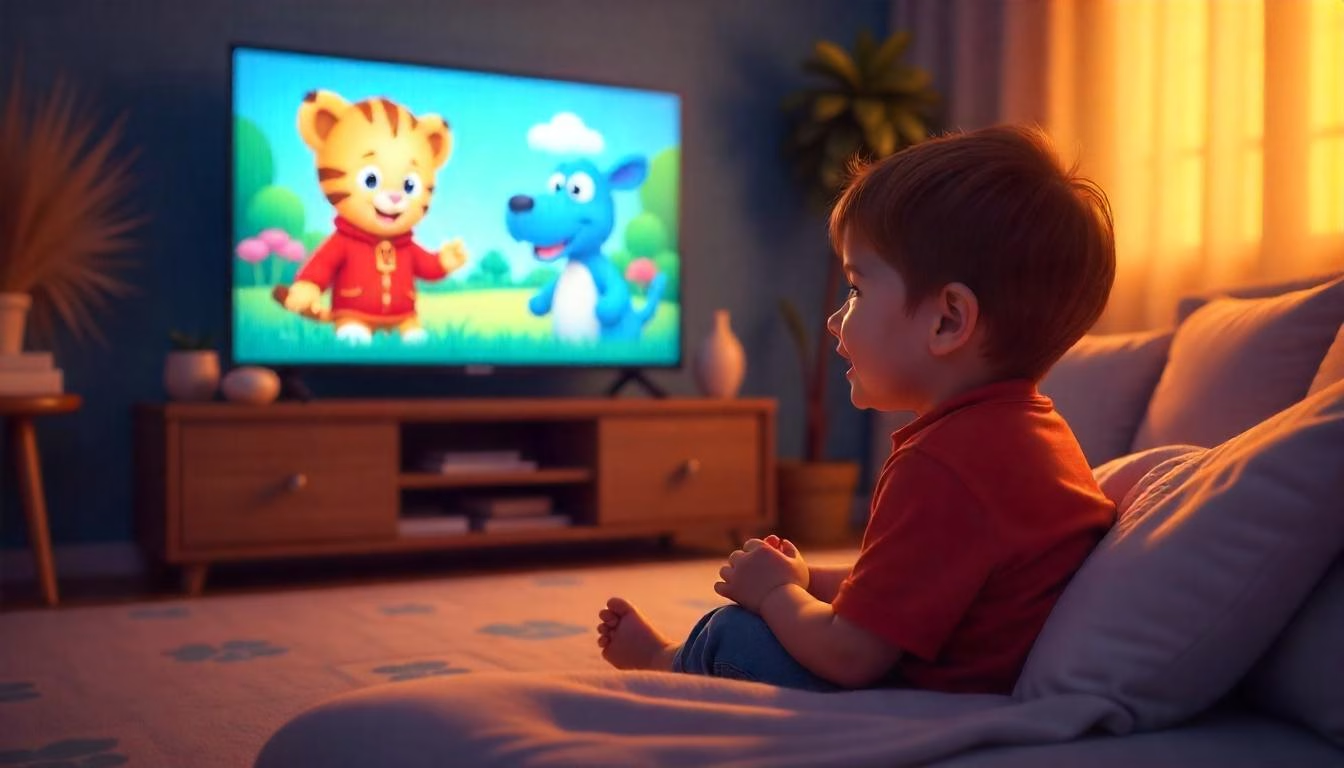
 A smiling child with autism watching a colorful, engaging cartoon in a cozy living room, surrounded by a comforting and sensory-friendly environment.
Daniel Tiger’s Neighborhood
- Inspired by Mister Rogers’ Neighborhood, this show focuses on social-emotional learning.
- Uses catchy songs and repetitive phrases to teach about feelings, empathy, and problem-solving.
- The simple animation and predictable storylines make it easy to follow.
- Music-based learning can be especially engaging for children with autism.
Bluey
- This Australian series follows a family of Blue Heeler dogs and their imaginative play.
- Encourages creative thinking, emotional intelligence, and family bonding.
- The humor is engaging for both kids and adults.
- Depicts emotions in a healthy and relatable manner.
Sesame Street
- A long-standing classic known for inclusivity and diversity.
- Features Julia, a Muppet with autism, promoting awareness and understanding.
- Focuses on literacy, numbers, and social skills in a fun and engaging way.
- Utilizes songs and short segments to maintain attention.
Pablo
- Centers on a young boy with autism who uses his imagination to navigate life’s challenges.
- Features real autistic children voicing animated characters, offering authentic representation.
- Highlights the strengths and unique perspectives of children on the spectrum.
Octonauts
- Follows a team of underwater explorers on exciting rescue missions.
- Educational, adventurous, and visually appealing without being overwhelming.
- Predictable episode structure enhances comfort and understanding.
- Uses clear and concise language, making it easy to follow.
Tips for Watching TV with Your Child
Watching TV can be more than just passive entertainment. Here’s how you can maximize the benefits:
Create a Comfortable Environment
Adjust lighting and sound levels to prevent sensory overload and ensure a stress-free experience.
Watch Together
Engage with your child by discussing the characters, plot, and lessons learned.
Use Closed Captioning
This can aid comprehension and reinforce language development.
Limit Screen Time
Balance television with interactive play, reading, and social activities.
Observe Your Child’s Reactions
Notice which shows resonate with them and which might cause distress, adjusting choices accordingly.
Beyond the Screen: Encouraging Social Interaction
While TV can be an excellent learning tool, fostering real-life friendships is essential for a child’s emotional well-being. If you’re looking to help your child make friends, platforms like Friendometry offer a safe and supportive way to connect with other families. Find friends for kids online through parent-supervised friend-matching, ensuring a positive social experience.
Balancing TV with Other Activities
| Activity Type | Benefits | Examples |
|---|---|---|
| Screen Time | Social learning, entertainment | Watching Bluey |
| Creative Play | Encourages imagination and expression | Drawing, role-play |
| Outdoor Activities | Improves physical health & social skills | Playground, nature walks |
| Interactive Games | Builds cognitive and problem-solving skills | Board games, puzzles |
FAQs
What is the best show for nonverbal children with autism?
Daniel Tiger’s Neighborhood and Sesame Street are excellent options, as they use simple language, repetition, and music to aid comprehension.
Can watching TV help children with autism improve social skills?
Yes! Shows like Sesame Street and Pablo introduce social cues and emotions in a relatable way, which can help children practice these skills in real life.
Are there any apps for kids with autism that complement TV learning?
Yes, apps like Endless Reader and Proloquo2Go support language development, while Friendometry helps parents connect children with friends in a safe, supervised way. Explore apps for kids with autism.
How can I encourage my child to interact beyond screen time?
Engage them in fun activities for autistic children, such as sensory play, social group activities, and therapy games for ADHD children that boost interaction skills.
Final Thoughts
Finding the best shows for kids with autism means selecting content that is engaging, educational, and comforting. While TV can be a great tool for learning, fostering friendships and real-world experiences is just as crucial. By creating a balanced routine filled with enriching activities and meaningful social interactions, you can help your child thrive.
For parents seeking a community of parents to connect with and support their child’s social journey, Friendometry is here to help. Find local friends for kids in a safe and nurturing environment today!

