


Friends are like stars; they come out only in the dark. What better way to show your appreciation for your friends than by making them a special, handmade card? A heartfelt card is not just paper and ink; it’s a symbol of the love and care you share. Let’s explore how creating friendship cards can nurture connections and bring joy to your children’s friendships.
Key Takeaways
- Handmade cards foster emotional connections and enhance social skills in kids.
- Crafting cards is a therapeutic activity that supports creativity and imagination.
- Personalized cards make cherished keepsakes for friends.
- Simple steps and tips make card-making accessible and fun for children.
- Friendship cards can be a part of activities for kids with autism and ADHD, encouraging self-expression and connection.
Why Make Handmade Cards?
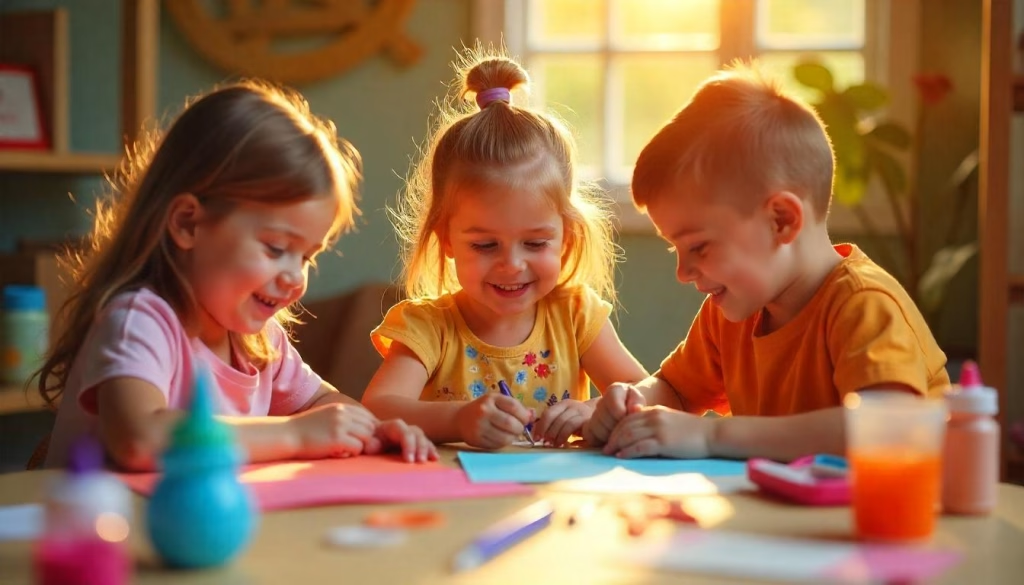 Children happily making handmade friendship cards at a craft table filled with colorful supplies, symbolizing creativity and friendship.
A Personalized Touch
Handmade cards are unique and show that you put extra effort into expressing your feelings. They convey care and thoughtfulness, making them far more impactful than store-bought cards.
A Creative Outlet
Card-making is a fun and engaging activity that encourages creativity and imagination. It allows kids to express themselves through colors, designs, and heartfelt messages.
Meaningful Gifts
A handmade card becomes a cherished keepsake that your friends will treasure for years to come. It’s a simple yet powerful way to say, “I value you.”
Simple and Fun Card Ideas for Kids
Basic Steps for a Friendship Card
- Fold a piece of construction paper in half to create the card.
- Decorate the front with colorful markers, crayons, or paint. Ideas include drawing your friends, their favorite animals, or fun patterns.
- Add sparkle with stickers, glitter, and sequins.
- Write a message inside. Keep it simple and sincere, like: “You’re the best friend ever!”
Get Creative with Shapes
- Cut the card into shapes like hearts, stars, or animals.
- Use stencils to create fun outlines.
Extra Personal Touches
- Include a small gift, such as a piece of candy or a friendship bracelet.
- Present your cards in person for a warm, personal moment.
Benefits of Making Friendship Cards
Building Social Skills
Creating and exchanging cards helps children practice communication and emotional expression, crucial for building social skills for kids.
Activities for Kids with Autism and ADHD
Friendship cards are excellent therapy activities for kids with ADHD and fun activities for autistic children. Crafting provides structure, sensory engagement, and an outlet for creativity. It also fosters emotional growth in children and helps build resilience.
Parent-Supervised and Safe
As part of a community of parents, card-making offers a safe, supervised activity that encourages connections. Platforms like Friendometry support such parent-supervised friend matching and promote safe platforms for children’s friendships.
Tips for Making Cards Special
- Choose Your Friend’s Favorite Colors: It shows thoughtfulness.
- Use Imagination: There are no rules! Experiment with designs and materials.
- Don’t Worry About Mistakes: It’s all part of the fun and adds a unique touch.
- Make Multiple Cards: Include all friends to foster inclusivity.
- Write From the Heart: A heartfelt message means the most.
Incorporating Friendship Cards into Broader Activities
Friendship cards are more than just crafts; they’re tools for improving self-esteem in children and combating loneliness in kids. Consider integrating card-making into these activities:
- Group Projects: Teaching kids with autism to socialize by creating cards together.
- Therapy Games: Therapy games for ADHD children can include crafting cards as a focus-boosting activity.
- Social Interaction Ideas: Use card-making to teach socializing tips for kids with autism and other conditions.
Ideas and Tips
| Card-Making Materials | Purpose |
|---|---|
| Construction paper | Base for the card |
| Markers, crayons, paint | Decorating the card |
| Stickers, glitter, sequins | Adding sparkle and fun |
| Scissors and stencils | Shaping the card |
| Friendship bracelets, candy | Small gifts to include |
| Benefits of Friendship Cards | Details |
| Emotional connection | Strengthens friendships |
| Creativity boost | Encourages imagination |
| Therapy for kids with autism/ADHD | Provides structure and sensory engagement |
| Social skill development | Teaches communication and empathy |
FAQs
1. What materials do I need to make a friendship card? You’ll need construction paper, markers, crayons, paint, stickers, glitter, sequins, and scissors. Optional extras include stencils, candy, or small gifts.
2. Can card-making help kids with autism and ADHD? Absolutely. It’s a structured, sensory-friendly activity that encourages focus, creativity, and emotional expression. It’s one of the best therapy activities for kids with ADHD and fun activities for autistic children.
3. How can I make the card extra special? Use your friend’s favorite colors, write a heartfelt message, and consider including a small gift like a friendship bracelet or candy.
4. Is card-making a good way to help kids make friends? Yes, it’s a fantastic way to foster connections and build social skills for kids. It’s also a great way to support lonely children in developing friendships.
5. How does Friendometry support children’s friendships? Friendometry offers safe platforms for children’s friendships through parent-supervised friend matching and online tools for children’s social development. It’s a valuable resource for combating childhood loneliness and fostering lasting connections.
Conclusion
Making friendship cards is a beautiful way to show your friends how much you care. It’s not just about the craft; it’s about the connections and memories created along the way. Whether you’re a parent looking for activities for kids with autism, helping ADHD children focus, or simply aiming to boost your child’s self-esteem, this activity ticks all the boxes. So gather your supplies, let your creativity flow, and watch as these cards bring smiles to faces and hearts.

