


Friendship is one of the most beautiful gifts a child can receive. It shapes their confidence, teaches them empathy, and helps them navigate life’s ups and downs. But making and maintaining friendships isn’t always easy—children often face challenges that can leave them feeling confused or lonely. As parents, guiding them through these moments with practical, real-life scenarios can be a powerful way to teach essential social skills.
One effective way to help children build strong friendships is by exploring different social situations. Through relatable scenarios, kids can learn to:
- Identify different types of friends—best friends, acquaintances, and even difficult friendships.
- Address common friendship challenges—sharing, disagreements, jealousy, and inclusion.
- Develop key social skills—empathy, communication, and conflict resolution.
- Practice healthy friendship behaviors—kindness, honesty, and respect.
By discussing these scenarios with your child, you’re not just teaching them how to make friends; you’re giving them the tools to build meaningful, lasting relationships.
Key Takeaways
- Friendship is a crucial part of childhood that impacts emotional and social development.
- Real-life scenarios help children understand and practice healthy friendship behaviors.
- Parents can guide kids by role-playing situations and encouraging open discussions.
- Teaching social-emotional skills early on builds confidence and resilience.
- Safe, parent-supervised platforms like Friendometry can support children in making friendships.
Why Friendship Scenarios Matter for Kids
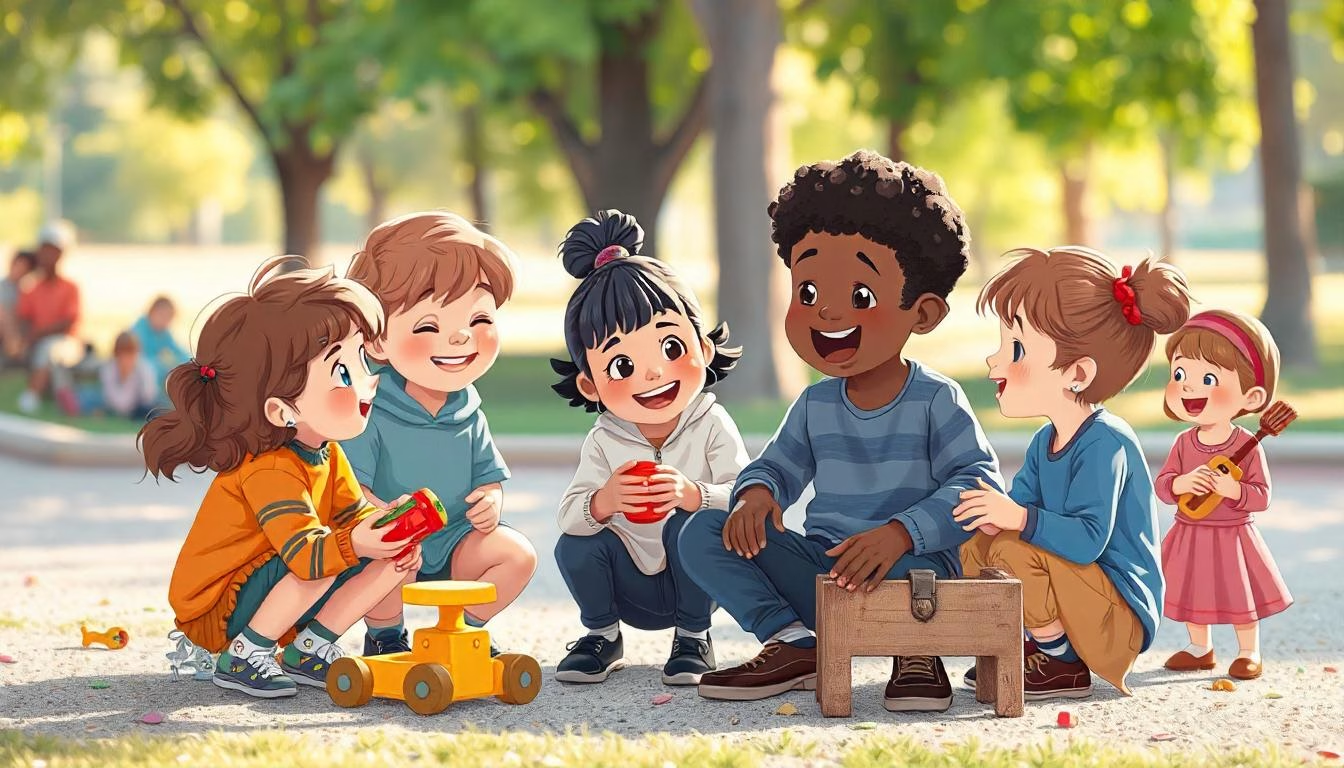
Helping kids navigate friendships isn’t just about ensuring they have playmates. It’s about fostering emotional growth, improving self-esteem, and giving them the confidence to form positive relationships throughout life. Studies show that children who struggle with friendships are more likely to experience loneliness and anxiety.
With structured guidance, such as friendship scenarios, kids can develop problem-solving skills and emotional intelligence, helping them overcome social hurdles in a healthy and constructive way.
Engaging Friendship Scenarios to Discuss with Your Child
1. The Toy Sharing Dilemma
Scenario: Two children are playing together when one child refuses to share a toy, leading to frustration.
Discussion Points:
- Why is sharing important in friendships?
- How can they take turns fairly?
- What can they say to express their feelings without arguing?
2. The Playground Squabble
Scenario: A child accidentally bumps into another on the playground, leading to an argument.
Discussion Points:
- How can they apologize sincerely?
- What could they do to resolve the situation without getting angry?
- How can they make sure the friendship stays strong after a disagreement?
3. The Invitation Woes
Scenario: A child gets invited to a birthday party, but their best friend does not.
Discussion Points:
- How should they handle feeling guilty about attending?
- How can they support their friend without making them feel left out?
- Is it okay to ask if their friend can join the party?
4. The Gossip Game
Scenario: A child overhears gossip about a friend but isn’t sure what to do.
Discussion Points:
- What are the consequences of spreading gossip?
- How can they stand up for their friend in a respectful way?
- What should they do if they become the target of gossip?
5. The Changing Friendships
Scenario: A child’s best friend starts spending more time with new friends, leaving them feeling lonely.
Discussion Points:
- How can they cope with feeling left out?
- What steps can they take to communicate with their friend?
- How can they embrace new friendships while maintaining old ones?
Tips for Teaching Friendship Skills
- Create a safe space: Encourage open conversations where your child feels comfortable sharing their experiences.
- Use role-play: Act out different scenarios to practice responses.
- Model positive behavior: Demonstrate kindness, honesty, and empathy in your own friendships.
- Encourage problem-solving: Let your child think of possible solutions before offering advice.
- Praise good friendship skills: Celebrate moments when your child shows empathy or handles a situation well.
Friendship Challenges in Kids with Autism and ADHD
Children with autism and ADHD often face unique social challenges. Structured social activities and guided interactions can help them build strong friendships.
| Challenge | Strategy |
|---|---|
| Difficulty reading social cues | Use visual aids and social stories |
| Struggles with turn-taking | Practice with board games and activities |
| Impulsivity in conversations | Teach pause-and-think techniques |
| Sensory sensitivities in social settings | Choose quiet, structured environments |
| Trouble making friends in school | Use parent-supervised friend-matching apps like Friendometry |
For children with autism, apps for kids with autism and autism-friendly group activities can provide structured socialization opportunities. Similarly, therapy activities for kids with ADHD and ADHD-friendly activities for children can help improve social skills and focus.
How Friendometry Helps Kids Build Friendships
Friendometry is a safe, parent-supervised platform that helps kids find local friends for kids and develop healthy social connections. With a growing community of parents, Friendometry provides a supportive space for children struggling with childhood loneliness, ensuring they find the right friends in a safe and monitored environment.
FAQs
How can I help my child make friends online?
Platforms like Friendometry offer parent-supervised friend-matching, ensuring safe connections.
What if my child struggles with social skills?
Practice through role-playing, enroll them in social skill-building activities, and provide continuous encouragement.
Are online friendship platforms safe for children?
Reputable platforms like Friendometry prioritize child safety with parent-controlled features and secure connections.
How can I support my child’s emotional growth in friendships?
Encourage communication, teach conflict resolution skills, and model positive social behaviors.
By discussing these real-life scenarios and providing guidance, we can help our children develop friendships that last a lifetime. Because every child deserves to feel valued, supported, and connected.

