


Friendship is one of the most beautiful gifts a child can experience. But in today’s digital world, many children struggle with making and maintaining friendships. That’s why creating a friendship quilt is more than just a craft—it’s a heartfelt way for kids to express their appreciation for their friends while developing emotional bonds. A friendship quilt is a creative and meaningful project that celebrates the connections between friends, allowing kids to create a lasting keepsake filled with love and memories.
Through this guide, we’ll walk you through an easy, fun, and inclusive way to make a friendship quilt with your child. Whether your child has a tight-knit group of friends or is still learning how to connect with peers, this activity can help foster a sense of belonging and emotional growth.
Key Takeaways
- A friendship quilt is a simple yet powerful way for kids to celebrate their friendships.
- It encourages creativity, builds fine motor skills, and fosters social connections.
- This craft can be adapted for kids with autism, ADHD, or social anxiety to help them feel included.
- Both sewing and no-sew options make this project accessible to all skill levels.
- This activity can be done in a group, strengthening friendships and boosting confidence.
What You’ll Need to Make a Friendship Quilt
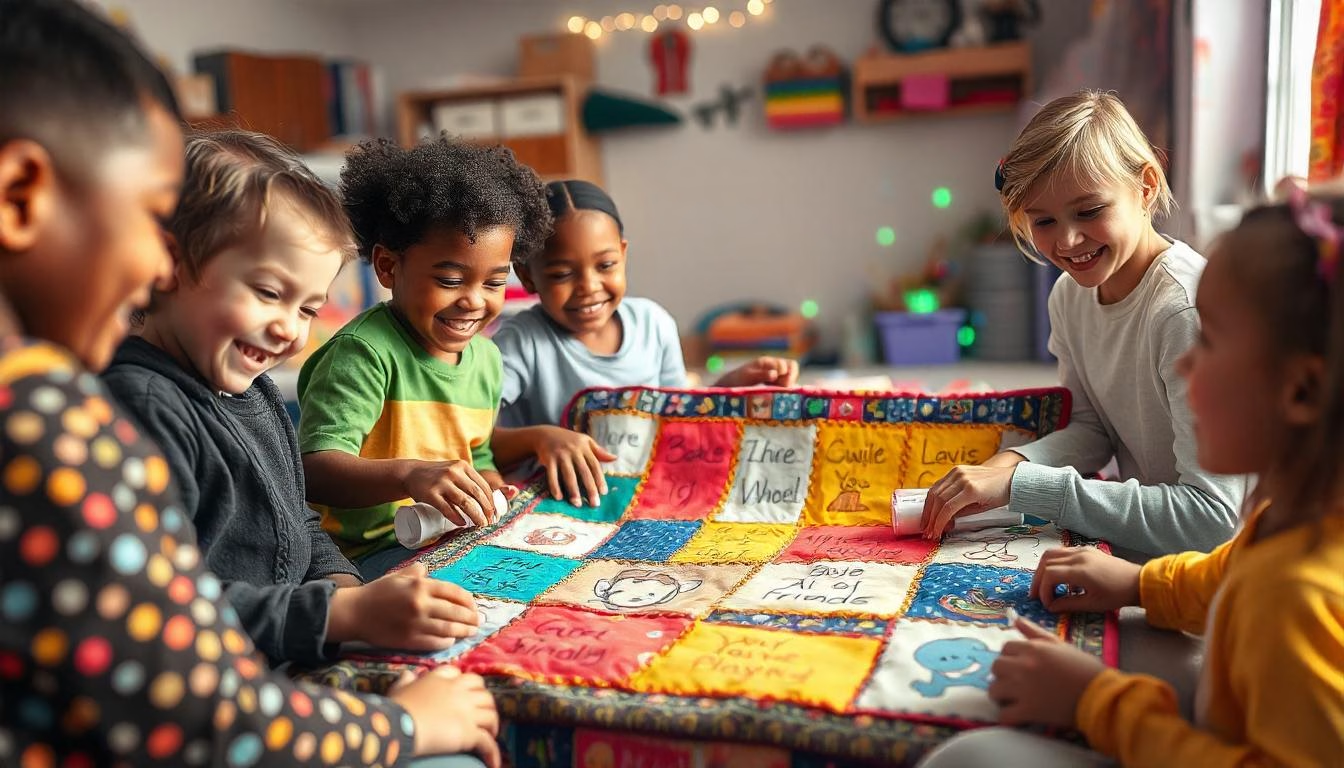
 Children joyfully creating a colorful friendship quilt together, decorating fabric squares with drawings and messages to celebrate their friendships in a cozy, creative space.
To get started, gather the following materials:
| Material | Purpose |
|---|---|
| Fabric squares | Base for decorating and assembling the quilt |
| Fabric markers/paint | Used for personalizing squares |
| Scissors | Cutting fabric squares |
| Needle & thread / sewing machine | Assembling the quilt (sewing option) |
| Fabric glue | For a no-sew option |
| Iron & ironing board | Flattening fabric before decorating |
| Pins | Holding squares together before sewing |
| Stuffing (optional) | Adds a plush effect if making a pillow quilt |
Step-by-Step Guide to Creating a Friendship Quilt
1. Prepare the Fabric Squares
Start by cutting fabric squares into uniform sizes. If you’re working with younger children, you can pre-cut the squares to ensure consistency. Older kids can practice cutting their own pieces, which helps build fine motor skills.
2. Decorate the Squares
This is where the magic happens! Let your child and their friends decorate each square using fabric markers, paint, or even sewn embellishments. Here are some fun ideas:
- Draw pictures of themselves with their friends.
- Write friendship quotes like “Best Friends Forever” or “You are my sunshine.
- Add symbols that represent their friendships, such as hearts or stars.
This step is great for kids who struggle with social interactions, such as those with autism or ADHD, as it provides a structured way to express their emotions creatively.
3. Assemble the Quilt
There are two ways to put the quilt together:
Sewing Option:
- Arrange the decorated squares in a pattern.
- Pin them together in rows and stitch each square together using a sewing machine or by hand.
- If you want a stuffed quilt, leave a small opening, insert stuffing, and then close the gap.
No-Sew Option:
- Use fabric glue to attach squares to a backing fabric like fleece.
- Let the glue dry completely before handling.
4. Add a Finishing Touch
For a polished look, consider adding:
- A decorative border around the quilt.
- A hanging loop so it can be displayed on a wall.
Why a Friendship Quilt is More Than Just a Craft
A friendship quilt isn’t just an art project—it’s a meaningful way to help children develop social skills and emotional intelligence. Here’s why this activity is so valuable:
1. Encourages Creativity
Decorating each square allows children to express themselves freely, boosting their confidence.
2. Develops Fine Motor Skills
Cutting, sewing, and gluing fabric squares all help children improve their motor coordination.
3. Fosters Friendship
Making a quilt together promotes teamwork, empathy, and bonding—especially for kids who struggle with childhood loneliness.
4. Supports Children with Autism and ADHD
Friendship-building can be challenging for neurodivergent children. This activity provides a structured and inclusive way for them to express their emotions and develop friendships in a non-verbal way.
5. Creates a Lasting Memory
The finished quilt serves as a cherished keepsake that children can treasure for years to come, reminding them of their friendships.
Tips for Making the Most of Your Friendship Quilt
- Keep it simple: If this is your child’s first quilt, start with a small one.
- Make it personal: Encourage kids to choose fabrics that represent their personality and friendships.
- Use it as a group project: If working with a classroom or a community of parents, have each child contribute a square to a shared quilt.
FAQs
What is a friendship quilt for kids?
A friendship quilt is a creative project where children decorate fabric squares with messages, drawings, or symbols representing their friendships. The squares are then sewn or glued together to make a quilt, serving as a keepsake.
How can a friendship quilt help kids with autism or ADHD?
A friendship quilt provides a structured activity that helps children with autism or ADHD express their feelings in a visual and tactile way. It also encourages social interaction in a low-pressure environment, promoting building social skills for kids.
Can I make a no-sew friendship quilt?
Absolutely! Using fabric glue instead of stitching makes this project accessible to children of all skill levels. Just ensure the glue is fabric-safe and washable.
Where can I find friends for my child online?
If your child struggles with making friends, Friendometry offers a parent-supervised friend-matching platform to help kids connect in a safe and meaningful way. Learn more here.
How can I encourage my child to make friends?
Engaging in group activities like making a friendship quilt provides children with social therapy ideas that help build connections. If your child needs extra support, try using apps for kids with autism or ADHD-friendly activities to enhance their social skills.
Final Thoughts
Creating a friendship quilt is more than just a fun craft—it’s a beautiful way to celebrate friendships and encourage meaningful social interactions. Whether your child is neurotypical or neurodivergent, this project provides a structured, creative, and heartwarming way to help kids make friends online and in person.
So gather some fabric, invite some friends, and start stitching together memories that will last a lifetime!

