
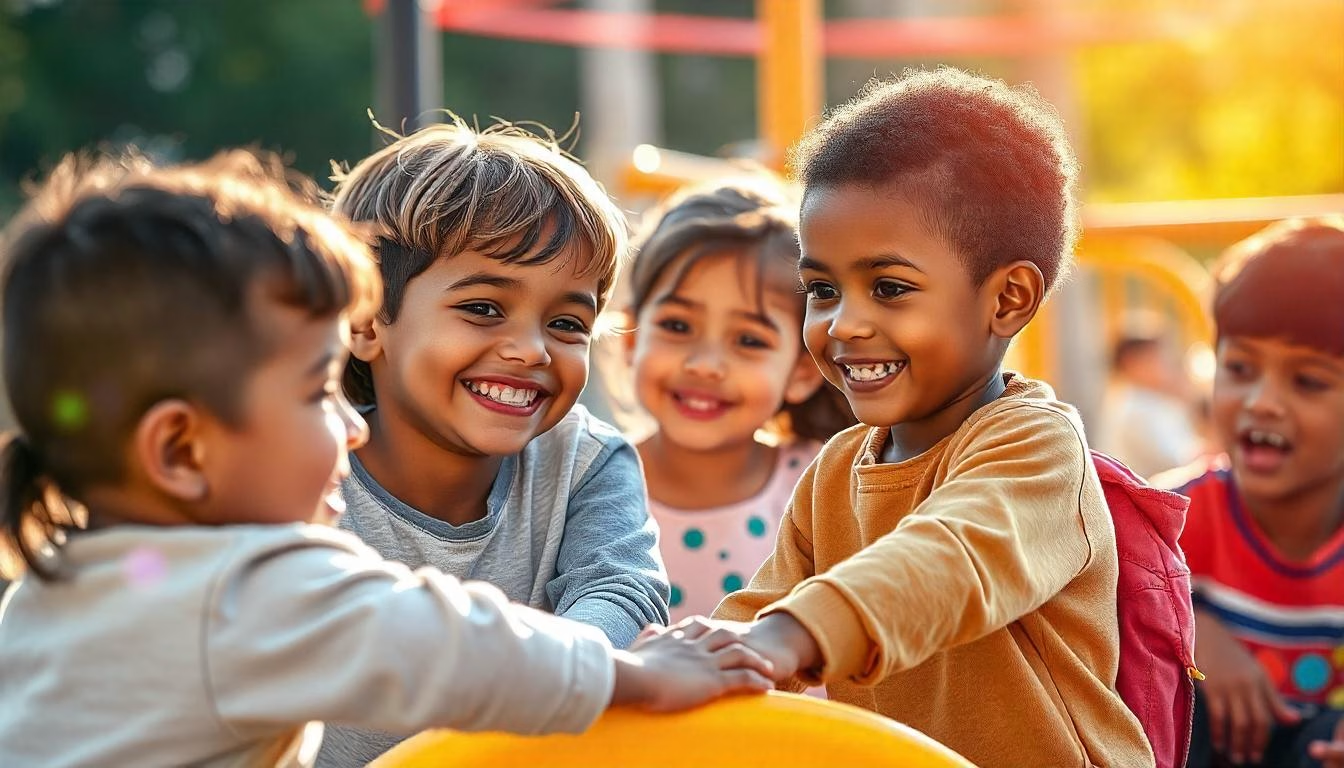


Watching your child’s social journey unfold is one of the most heartwarming experiences as a parent. From their first curious glance at another baby to their joyful giggles during playdates, the path to friendship begins earlier than you might think. Most children begin to form recognizable friendships around 4 years old, when they can engage in cooperative play and name specific peers as their friends. However, the seeds of social connection are often planted much earlier, sometimes as early as six months old, when babies show interest in other children.
Key Takeaways
- Social milestones: Children start interacting with peers in meaningful ways as early as 3 years old, progressing to more defined friendships by age 4.
- Developmental benefits: Early friendships foster emotional growth, improve self-esteem, and help build social skills.
- Challenges and support: While some kids form friendships easily, others, including those with Autism or ADHD, may need extra support through activities and tools designed for them.
Understanding Friendship Milestones
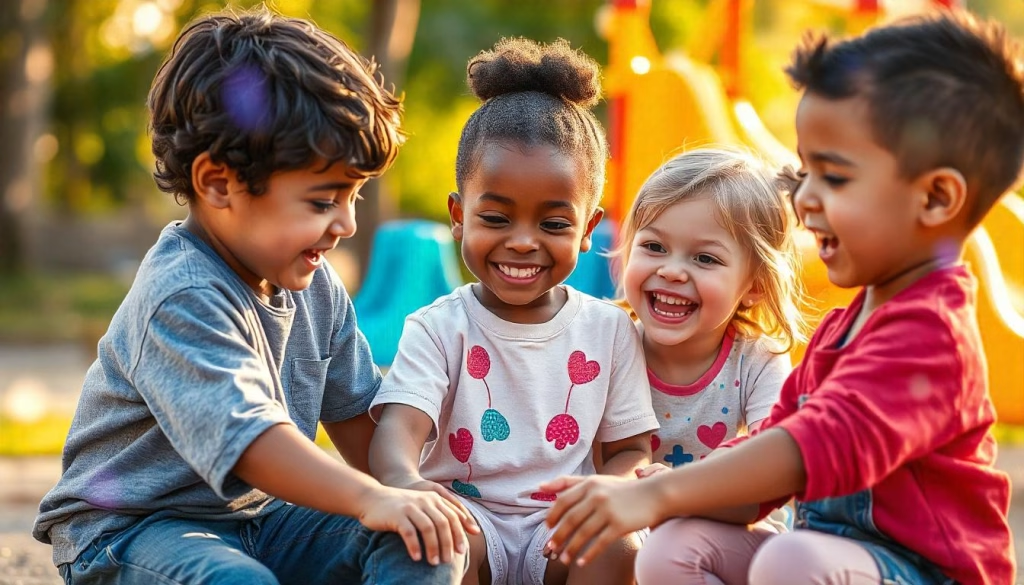 Young children playing together in a colorful outdoor playground, symbolizing early friendships and social connections among kids.
The Early Stages: From Curiosity to Connection
- 6 months to 2 years: Babies and toddlers are naturally curious about others. While they don’t engage in direct play, they enjoy observing and imitating other children.
- Around 3 years old: This is when children begin to engage in parallel play—playing alongside peers rather than with them. Some children might even start identifying specific playmates as “friends.”
- By 4 years old: Most kids are ready for cooperative play and can name their friends, actively seeking them out during activities. At this stage, friendships are often fluid and based on shared enjoyment rather than deep emotional connections.
Recognizing Early Friendship Patterns
Early friendships might be more one-sided. Young children often form bonds based on shared activities rather than mutual understanding. For example, a child might consider someone their best friend simply because they enjoy playing the same game.
Why Friendships Matter: Building Blocks for Life
Friendships are more than just playtime companions. They’re essential for your child’s emotional and social development. Here’s why:
| Benefit | Description |
|---|---|
| Emotional Growth | Friendships help children understand and regulate their emotions. |
| Improved Social Skills | Kids learn to share, cooperate, and resolve conflicts. |
| Boosted Self-Esteem | Being valued by peers builds confidence and a sense of belonging. |
| Resilience | Friendships teach kids how to navigate challenges and setbacks. |
How to Support Your Child in Making Friends
Creating Opportunities
- Join a community of parents: Find local groups or platforms like Friendometry to connect with families near you.
- Engage in group activities: Enroll your child in playgroups, sports, or arts classes where they can meet peers.
- Model social behavior: Show your child how to introduce themselves and express interest in others.
Tailoring Support for Children with Autism or ADHD
Children with unique needs may face additional challenges in forming friendships, but there are many ways to help:
- Activities for kids with autism: Consider structured group activities like art therapy or sensory-friendly playdates.
- Explaining autism to kids: Help their peers understand their unique qualities to foster acceptance.
- Therapy activities for kids with ADHD: Games that encourage focus and teamwork can be particularly beneficial.
- Apps for kids with autism or ADHD: Tools like social skills apps can help children navigate social scenarios more confidently.
Real-Life Tips for Building Friendships
For Parents
- Be a facilitator: Arrange playdates and stay involved to ensure interactions are positive.
- Use online tools for children’s social development: Platforms like Friendometry offer safe spaces for parent-supervised connections.
- Encourage persistence: Remind your child that building friendships takes time and effort.
For Children
- Practice makes perfect: Role-play common social situations to build confidence.
- Focus on shared interests: Encourage your child to find peers who enjoy similar hobbies.
- Be inclusive: Teach your child the value of kindness and understanding toward everyone.
Inspirational Thought
“Every friendship begins with a smile. As parents, we hold the keys to unlocking those first meaningful connections for our children.”
FAQs
1. Can babies have friends? Babies don’t form friendships in the traditional sense, but they do show interest in other children by observing and mimicking their actions.
2. How can I help my child overcome childhood loneliness? Encourage participation in group activities, use tools like Friendometry to find local friends, and model positive social interactions at home.
3. Are there safe platforms for children’s friendships? Yes, platforms like Friendometry provide a parent-supervised environment for finding and fostering friendships safely.
4. What activities can help kids with Autism or ADHD make friends? Autism-friendly group activities like sensory play and ADHD-friendly activities like team sports can help children build connections.
5. How can I boost my child’s confidence in social settings? Praise their efforts, role-play interactions, and remind them that everyone feels shy sometimes. Building social skills takes practice.
Building Friendships for a Brighter Future
As parents, we all want our children to thrive socially, emotionally, and mentally. Friendships play a vital role in shaping their confidence, resilience, and happiness. Whether it’s through encouraging group activities, joining a community of parents, or using safe tools like Friendometry, there are countless ways to support your child in forging lasting connections.
Let’s create a world where no child feels lonely and every parent has the resources to help their child build meaningful friendships. Together, we can make this dream a reality.

