


Friendship is one of the most valuable gifts a child can have. It brings joy, companionship, and a sense of belonging. But in today’s fast-paced world, childhood loneliness is a growing concern. Encouraging kids to express their appreciation for friends can strengthen bonds and build social skills. One of the easiest and most heartfelt ways to do this is by creating a personalized friendship card. A simple handmade card can brighten a friend’s day and serve as a keepsake of a cherished relationship. Here’s a step-by-step guide to making a friendship card that kids will love crafting!
Key Takeaways
- Making friendship cards helps kids express emotions and build social connections.
- Simple materials like cardstock, markers, and stickers make crafting easy.
- Personalized elements like drawings and heartfelt messages add a special touch.
- Encouraging creativity helps children develop fine motor and communication skills.
- Friendship cards can support kids with autism and ADHD in social interactions.
- A parent-supervised crafting session fosters bonding and emotional growth.
- Online platforms like Friendometry help parents find friends for kids online.
Benefits of Crafting Friendship Cards for Kids
Creating a friendship card is more than just an art activity—it nurtures important life skills. Here’s how it benefits children:
| Benefit | How It Helps |
|---|---|
| Emotional Growth | Helps kids express love, gratitude, and appreciation. |
| Social Skills | Encourages communication and connection with friends. |
| Fine Motor Skills | Improves hand-eye coordination through cutting and drawing. |
| Creativity | Sparks imagination through colors, themes, and decorations. |
| Confidence Boost | Completing a card gives a sense of accomplishment. |
Step-by-Step Guide: How to Make a Friendship Card for Kids
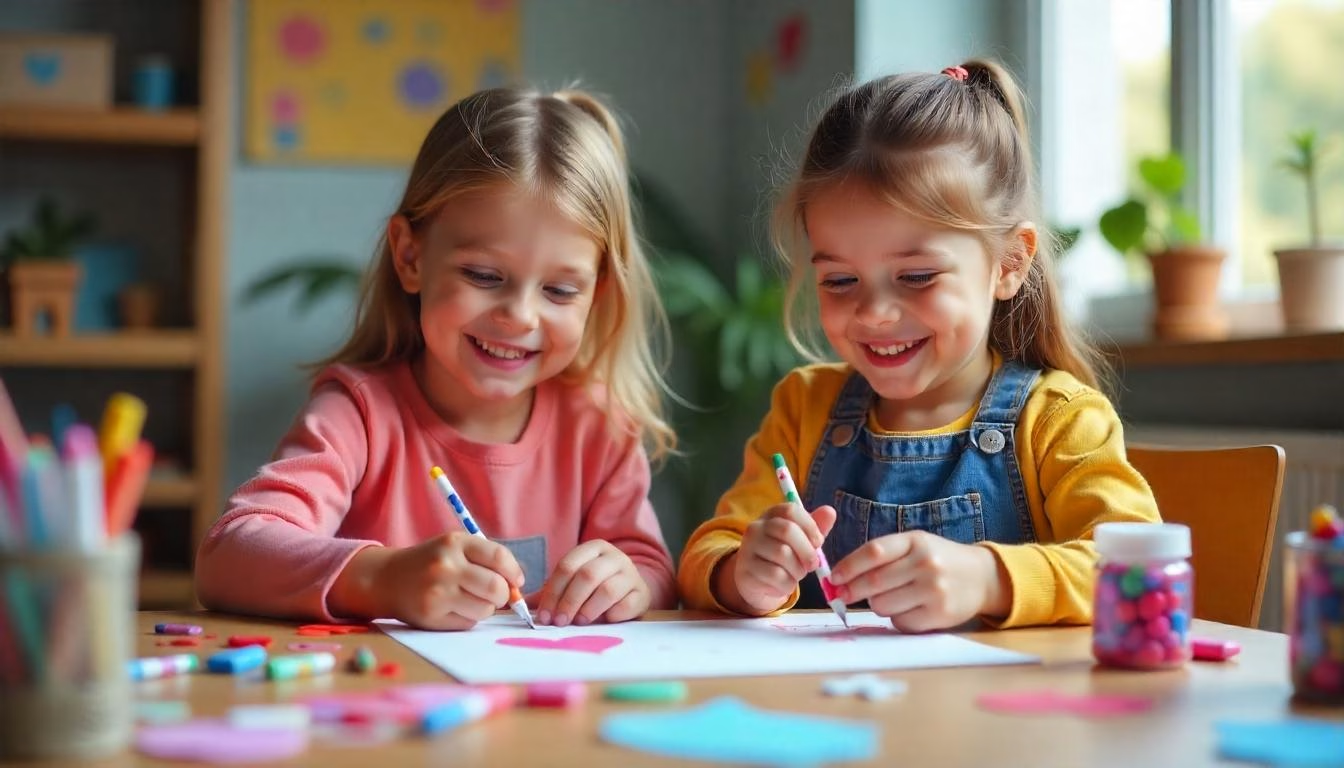
 Two happy children making handmade friendship cards with colorful markers, stickers, and glitter at a table, smiling as they craft personalized messages for their friends.
1. Gather Your Supplies
Before you start, make sure you have all the necessary materials. Here’s what you’ll need:
- Cardstock or Construction Paper – The base of your card.
- Markers, Crayons, or Colored Pens – To draw and write heartfelt messages.
- Scissors – For cutting paper and shapes.
- Glue or Tape – To attach decorations.
- Optional Decorations:
- Stickers
- Glitter
- Ribbon
- Photos
- Buttons
- Scrapbook paper
2. Fold the Card Base
Take your cardstock or construction paper and fold it in half to create the shape of your card. This will be the foundation for your design.
3. Design the Front of the Card
Encourage kids to personalize the front of the card with creative decorations:
- Draw a Picture – Let them illustrate themselves with their friend, their favorite shared activity, or symbols of friendship like hearts, stars, or smiling faces.
- Use Stickers – A fun and easy way to add color and personality.
- Cut Out Shapes – Use different colored paper to create fun cutouts like hearts, stars, or speech bubbles with sweet words.
- Theme It! – If their friend loves superheroes, animals, or a favorite show, use that as inspiration for the design.
4. Write a Heartfelt Message Inside
A friendship card isn’t complete without a meaningful message. Here are some ideas:
- “You’re a great friend!”
- “I’m so glad we’re friends.”
- “Thanks for being my friend.”
- “I love playing with you!”
Encourage kids to write something personal about their friendship, like a fun memory or a reason why they appreciate their friend. If they’re too young to write, parents can help by writing down their thoughts.
5. Add Extra Decorations (Optional)
For an extra special touch, kids can:
- Sprinkle glitter for a sparkly effect.
- Tie a ribbon around the card.
- Glue on small photos of them with their friend.
- Attach small craft items like buttons or stickers for texture.
How This Activity Supports Kids with Autism and ADHD
Friendship cards can be a powerful tool for children with autism or ADHD, helping them build and express friendships in a structured way. Here’s how:
- Boosts Social Confidence – Structured activities help kids feel more comfortable expressing emotions.
- Encourages Interaction – Making and giving a card is a great way to initiate social interaction.
- Supports Fine Motor Skills – Cutting, gluing, and drawing strengthen hand coordination.
- Provides a Sensory-Friendly Activity – Many craft elements, like textured paper and stickers, can be sensory-friendly and enjoyable.
If you’re looking for more activities for kids with autism or therapy activities for kids with ADHD, crafting is a great place to start. You can also explore apps for kids with autism or apps for kids with ADHD to find additional tools that support social and emotional development.
Parenting Tips: Encouraging Kids to Express Friendship
As parents, fostering friendships for your child is essential. Here are a few tips:
- Model Kindness – Show your child how to appreciate their friends through small gestures.
- Encourage Sharing and Playdates – Regular interaction helps strengthen bonds.
- Use Safe Online Platforms – If your child struggles with making friends, try parent-supervised friend matching services like Friendometry, a safe platform for children’s friendships.
- Talk About Emotions – Help kids understand friendship dynamics by discussing feelings and social interactions.
FAQs
How can I help my child make friends if they struggle socially?
Encouraging structured social activities like card-making can be a great start. Platforms like Friendometry can also help find local friends for kids in a safe and parent-supervised way.
Are there online tools for children’s social development?
Yes! Many online platforms, including best apps for children with autism, offer structured socialization experiences. Friendometry is one such resource designed to support helping autistic kids make friends.
Can making friendship cards help kids with ADHD?
Absolutely! Creative activities help in boosting focus in kids with ADHD, while structured tasks like card-making improve attention span and fine motor skills.
Final Thoughts
Creating a personalized friendship card is a simple yet powerful way for kids to express their appreciation for their friends. It fosters emotional growth, strengthens social bonds, and brings joy to both the creator and recipient. Whether your child is naturally social or needs extra encouragement to connect, activities like this can help build meaningful relationships.
If you’re looking for more ways to help kids make friends online or find friends for kids online, platforms like Friendometry provide a community of parents dedicated to supporting lonely children and ensuring every child finds the friendship they deserve.
So, grab some paper, get creative, and start crafting a heartfelt friendship card today!

